Continuous oil production with reliable quality and high nutritional value has become essential in the modern edible oil market. Whether you’re producing oils for personal use, local distribution, or large-scale commercial operations, you need equipment that delivers consistent performance, low operational downtime, and superior yield.
One solution leading the market today is the high-torque cold press oil machine — engineered for continuous oil crushing, maximum extraction efficiency, and retention of natural oil qualities like flavor, aroma, and nutrient integrity.
This blog explains everything you need to know about high-torque cold press oil machines, from how they work to capacity planning, maintenance, business applications, and why Sharma Oil Expeller’s machines are a trusted choice for producers of all scales.
1. What Is a High-Torque Cold Press Oil Machine?
A high-torque cold press oil machine is a mechanical oil extraction system designed for continuous operation. Unlike traditional expellers that may stall or overheat under load, high-torque models handle heavy seed crushing without surging, enabling stable, long-term oil extraction even under demanding industrial conditions.
Key Features of High-Torque Machines
-
High-Torque Rotary Screw System: Efficient crushing with steady pressure
-
Continuous Operation: Designed for non-stop crushing cycles
-
Low Heat Build-Up: Preserves natural oil properties
-
Energy Efficient: Lower power requirement per kg of oil produced
-
Durable Build: Industrial-grade materials and bearings
-
Easy Maintenance: Accessible parts for routine servicing
These features make them ideal not only for medium and large-scale oil producers, but also for brands that want to ensure consistent oil quality and throughput.
2. How High-Torque Cold Press Oil Machines Work
Understanding the workings of a high-torque machine helps explain why they outperform traditional units.
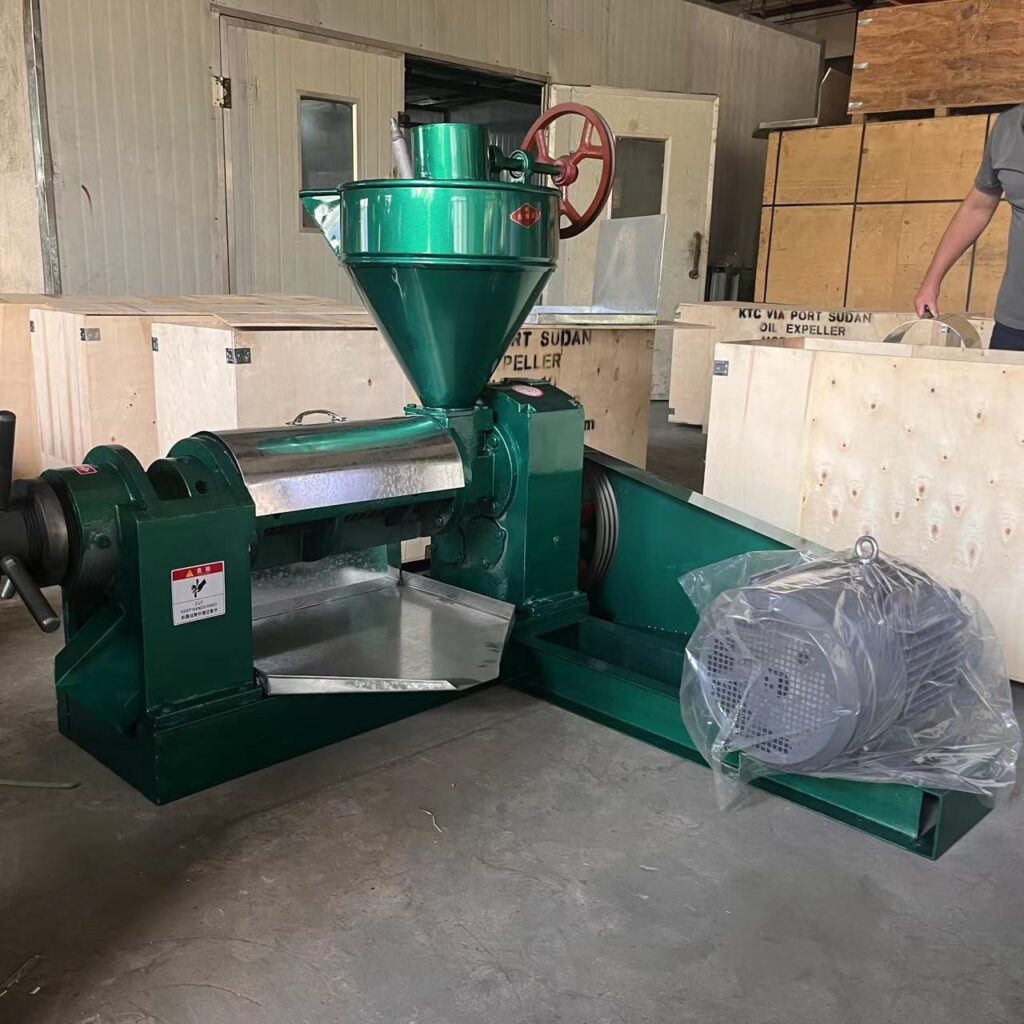
Components of a High-Torque System
-
Feeding Hopper: Controls the entry of seeds into the press
-
Rotary Screw with High Torque: Applies compressive force
-
Press Chamber / Barrel: Where seeds are gradually crushed
-
Motor & Gearbox: Delivers controlled torque to the screw
-
Oil Outlet: Where extracted oil is collected
-
Oil Cake Outlet: Discharges residual seed matter
-
Control Panel: For monitoring speed, temperature, and torque
Process Flow
-
Pre-Cleaned Seeds Enter Hopper
-
High-Torque Screw Compresses Seeds
-
Oil Is Expressed Naturally (Low Heat)
-
Oil Flows to Collection Tank
-
Residue (Oil Cake) Is Discharged
High torque is crucial because it prevents stalling and enables the machine to handle seeds with variable moisture and density — a common issue with continuous crushing.
3. Benefits of High-Torque Cold Press Oil Machines
3.1 Continuous Crushing Without Stalling
High torque ensures the machine doesn’t lose momentum, even when processing hard seeds like mustard or dry sesame.
3.2 Improved Oil Yield
The stable torque load increases compression efficiency, extracting more oil per kilogram of seeds.
3.3 Consistent Oil Quality
Low operating temperatures maintain the oil’s natural aroma, flavor, and nutrients, unlike high-heat or solvent extraction processes.
3.4 Lower Maintenance Costs
Industrial bearings, precision machining, and torque-optimized drives reduce wear and tear.
3.5 Energy Efficiency
Because torque is controlled, power usage remains optimized — saving on electricity costs over long production cycles.
4. Crushing Capacity: What It Means & How to Choose
Crushing capacity refers to how many kilograms (kg) of oilseed a machine can process per hour. Selecting the right capacity is essential to meet your production goals.
Standard Crushing Capacities (Approximate)
| Machine Tier | Capacity (kg/hr) | Ideal For |
|---|---|---|
| Small Commercial | 30–60 kg/hr | Startups, small shops |
| Medium Commercial | 80–150 kg/hr | Retail packaged oil brands |
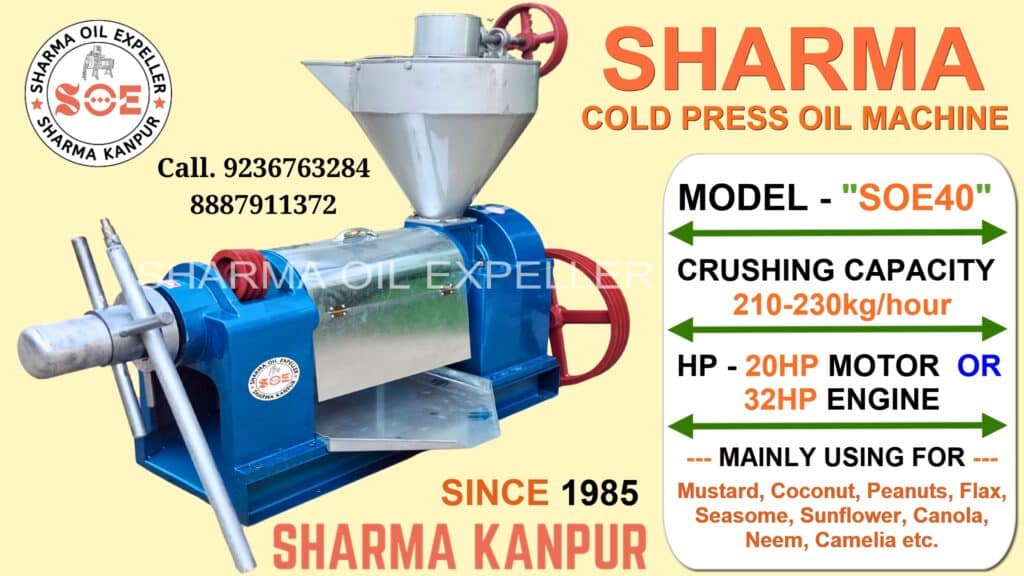
| Large Commercial | 180–300 kg/hr | Regional oil manufacturers |
| Industrial Continuous | 300–600+ kg/hr | Bulk supply, OEM brands |
Crushing Capacity by Seed Type
| Seed Type | Expected Capacity Range |
|---|---|
| Mustard | 120–300 kg/hr |
| Groundnut / Peanut | 100–350 kg/hr |
| Sesame | 100–250 kg/hr |
| Sunflower | 120–320 kg/hr |
| Coconut (Copra) | Varies (special pre-treatment) |
Note: Actual output may vary depending on moisture content, pre-processing, and seed quality.
5. Types of Oils You Can Produce
A high-torque cold press oil machine can produce a variety of chemical-free, natural oils:
-
Mustard Oil
-
Groundnut (Peanut) Oil
-
Sesame Oil
-
Sunflower Oil
-
Coconut Oil
-
Almond Oil
-
Flaxseed Oil
-
Soybean Oil
-
Castor Oil (non-edible use)
Each oil retains a distinct flavor and nutrition profile because cold press extraction avoids harsh heat and solvents.
6. Industrial Use Cases
High-torque cold press machines are widely used across sectors:
6.1 Edible Oil Manufacturers
For consistent daily output with minimum downtime.
6.2 Organic & Health Food Brands
Retains natural oils that qualify for organic certification.
6.3 Institutional & Bulk Supply Producers
For wholesale distribution and contract manufacturing.
6.4 Cooperatives & Farmer Groups
To add value to local seed harvests and improve farmer income.
6.5 Export Oriented Units
Cold-pressed oils are increasingly demanded in international markets where chemical-free oils command premium pricing.
7. Technical Advantages of High-Torque Systems
A high-torque cold press oil machine brings several engineering advantages to strengthen oil production operations.
7.1 Reinforced Screw Geometry
Improves compression and reduces feed blockage.
7.2 Precision Gearbox
Delivers consistent torque and prevents slippage.
7.3 Temperature Monitoring
Protects heat-sensitive nutrients within the oil.
7.4 Modular Design for Easy Parts Replacement
Reduces downtime during maintenance.
7.5 Heavy-Duty Bearings and Frames
Built for long service under industrial workloads.
8. Energy Efficiency and Cost Savings
High-torque systems are designed to extract oil at optimal torque and minimal friction, leading to:
-
Lower electricity consumption
-
Reduced motor strain
-
Higher throughput per kWh
When comparing overall operational cost over time, high-torque machines generally have a lower cost per kg of oil produced.
9. Retention of Nutrition, Flavor, and Aroma
Cold press extraction with high torque has a special advantage: the oil stays unrefined and unaltered at the chemical level.
Nutrients Preserved
-
Essential fatty acids (Omega-3, Omega-6)
-
Vitamin E and other antioxidants
-
Natural flavor compounds
-
Aromatic oils
This preservation is not possible with high-heat or solvent based methods, making cold pressed oils nutritionally superior and more marketable.
10. Quality Control in Cold Press Oil Production
For commercial oil producers, maintaining quality is crucial.
Recommended Quality Checks
-
Free Fatty Acid (FFA) levels
-
Peroxide value
-
Moisture content
-
Organoleptic (taste & aroma) testing
-
Microbial cleanliness
These checks ensure your oil meets health standards and consumer expectations.
11. Maintenance Best Practices
To ensure longevity and consistent performance:
Daily Tasks
-
Clean hopper and feeding components
-
Check torque load and temperature
-
Wipe down exposed parts
Weekly Tasks
-
Inspect bearings and gearboxes
-
Tighten loose bolts
-
Lubricate moving parts
Monthly Tasks
-
Deep clean barrel and press screw
-
Replace damaged gaskets and seals
-
Calibrate temperature and motor controls
12. Safety Practices in Industrial Oil Crushing
Safety cannot be overlooked when operating high-torque machinery.
Recommended Safety Measures
-
Wear protective gear (gloves, goggles, coveralls)
-
Ensure emergency stop switches function
-
Train operators on torque load changes
-
Inspect power connections
-
Avoid loose clothing near moving parts
13. Pre-Processing & Seed Preparation Tips
Maximize oil yield and product quality by preparing seeds:
Seed Pre-Processing Steps
-
Clean seed of dust and foreign material
-
Adjust moisture to optimal levels
-
Hull seeds (for sesame, mustard if needed)
-
Dry seeds consistently before crushing
Pre-processing directly impacts crushing capacity and oil yield.
14. Post-Extraction Filtration & Clarification
Collected oil may contain fine particulates. Common clarification techniques:
-
Natural settling tanks
-
Gravity filtration
-
Fine mesh or cheesecloth
-
Food-grade filter presses
Post-filtration improves clarity and shelf life without chemical refining.
15. Packaging & Storage of Cold Press Oils
Proper packaging ensures long shelf life:
Packaging Recommendations
-
Use dark glass bottles or high-barrier PET
-
Store away from sunlight
-
Label with extraction date and batch
-
Seal tightly to avoid oxidation
16. Branding & Marketing Cold Press Oils
Modern consumers value transparency. Effective strategies include:
-
Highlight “Cold Pressed” and “Chemical-Free”
-
Emphasize preserved nutrition & flavor
-
Origin of seeds & harvest details
-
Small batch vs mass-produced differentiation
-
Health benefits and culinary uses
17. Regulatory Compliance
Ensure your production meets domestic and export standards:
-
Food safety licenses
-
Product testing lab reports
-
Traceability & batch coding
-
Hygiene and sanitation protocols
18. Case Studies: Real-World Performance
Case Study A: Medium Oil Brand Scaling Up
A regional startup moved to a high-torque cold press machine and:
-
Reduced downtime by 40%
-
Increased yield by 18%
-
Reduced energy cost by 12%
Case Study B: Industrial Exporter
An exporter improved product consistency and secured international buyers with better quality cold-pressed oils.
19. Cost & Return on Investment (ROI)
Key Cost Factors
-
Machine price
-
Power consumption
-
Maintenance
-
Labor
ROI Drivers
-
Higher yield and quality
-
Premium pricing
-
Lower operational costs
-
Additional oil cake by-product revenue
Most producers recover their investment within 18–24 months with consistent production.
20. Common Challenges & Solutions
| Challenge | Solution |
|---|---|
| Seed jamming | Pre-clean seeds, adjust moisture |
| Low oil yield | Check torque, improve seed prep |
| Overheating | Monitor temp & reduce feed rate |
| Machine wear | Scheduled maintenance |
21. Future Trends in Cold Press Technology
-
Smart IoT monitoring
-
Automated torque & temperature control
-
AI-based predictive maintenance
-
Energy-recovery systems
-
Higher throughput designs
These innovations will push cold press oil machines further into mainstream commercial adoption.
22. Frequently Asked Questions (SEO-friendly)
1. What is a high-torque cold press oil machine?
It’s a machine designed with enhanced torque delivery for stable, continuous oil crushing with high yield and low downtime.
2. What’s the difference between cold press and refined oil?
Cold press oil retains nutrients and flavor, while refined oil loses these due to heat and chemicals.
3. How do I choose the right crushing capacity?
Match crushing capacity (kg/hr) to your daily production target and seed types.
4. Are cold pressed oils healthier?
Yes — they retain vitamins, antioxidants, and natural flavor.
5. Can one machine process multiple seeds?
Yes, with proper cleaning and setup adjustments.
23. Why Buy from Sharma Oil Expeller
When you’re ready to invest in a reliable Cold Press Oil Machine that delivers high torque, continuous crushing, superior yield, and consistent quality, Sharma Oil Expeller stands out as one of the most trusted manufacturers in the industry.
Key Benefits of Choosing Sharma Oil Expeller
-
Wide range of models from small to industrial
-
High-torque systems built for long service life
-
Proven performance with continuous operation
-
Strong after-sales support & spare parts
-
Trusted by brands in India and abroad
👉 To explore model options and request a quote, visit Cold Press Oil Machine by Sharma Oil Expeller at:
https://sharmaoilexpeller.com
24. Final Thoughts: Invest in Efficiency, Quality & Performance
Producing high-quality cold-pressed oil consistently and profitably requires the right blend of engineering, maintenance, and business strategy. A high-torque cold press oil machine for continuous oil crushing—especially from a trusted brand like Sharma Oil Expeller—provides all of these.
With proper planning, you can maximize yield, retain nutrition, scale production, and build a strong brand that stands out in the competitive edible oil market.