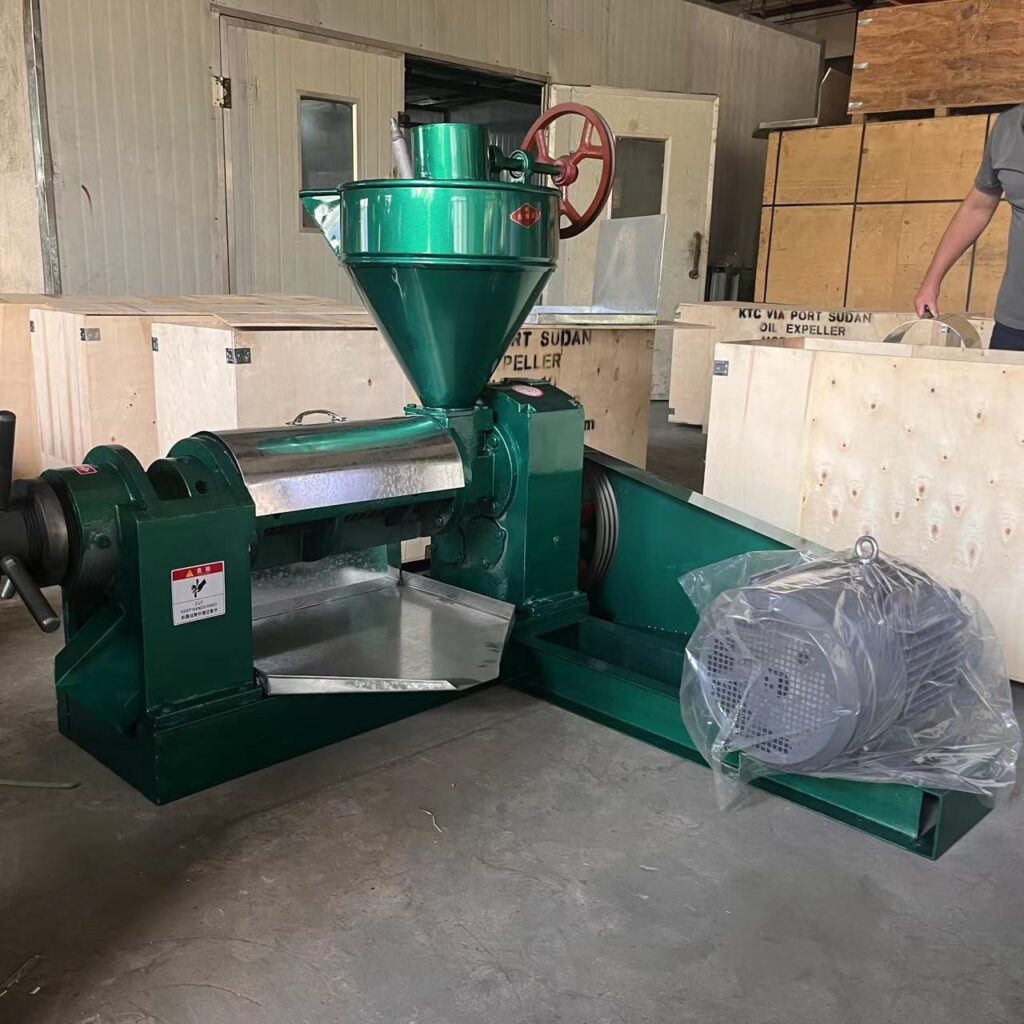
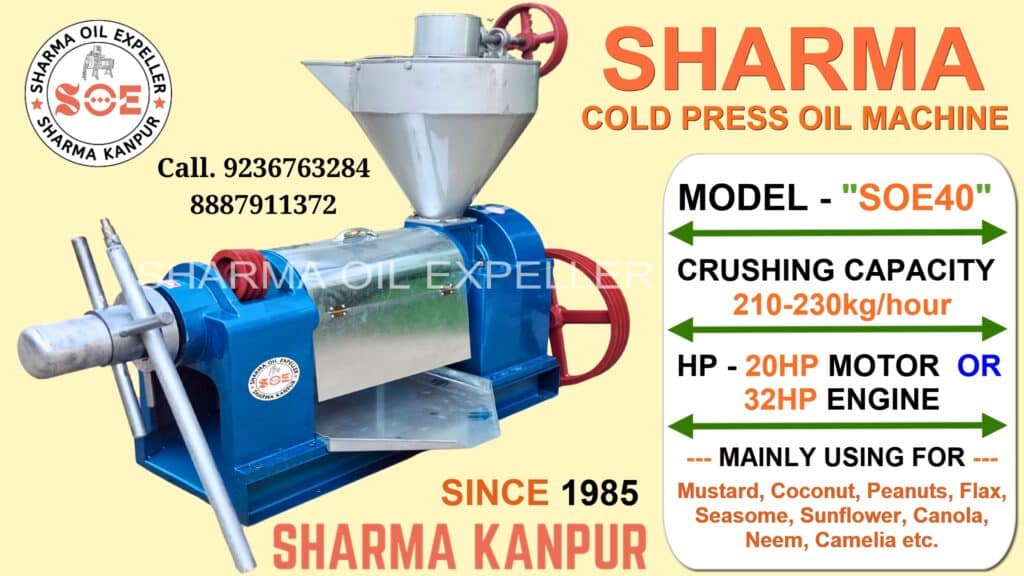
Next-generation cold press oil machines designed for health-focused oil production. Learn how modern engineering improves oil purity and yield, crushing capacity ranges, maintenance tips, and why to choose Sharma Oil Expeller. Ideal for small businesses, retailers and health-conscious producers.
Cold-pressed oils are valued worldwide for their natural flavor, nutrient retention, and minimal processing. As consumer demand for healthier, minimally processed oils rises, manufacturers and small producers are turning to next-generation cold press oil machines that prioritize oil purity, higher yield, and operational efficiency. This blog explores how modern design and engineering deliver cleaner oils, optimized extraction, and scalable crushing capacities for every production need.
Why next-generation cold press matters for health-focused oil production
Health-focused consumers expect oils that retain natural antioxidants, essential fatty acids, and delicate aromas. Next-generation cold press machines are engineered to extract oil at lower temperatures while minimizing mechanical stress and oxidation. The result is oil that preserves color, taste, and nutritional value.
These machines use improved screw geometry, better material selection, precision heating control (only for friction compensation), and advanced filtering attachments, all of which contribute to higher oil purity and consistent quality.
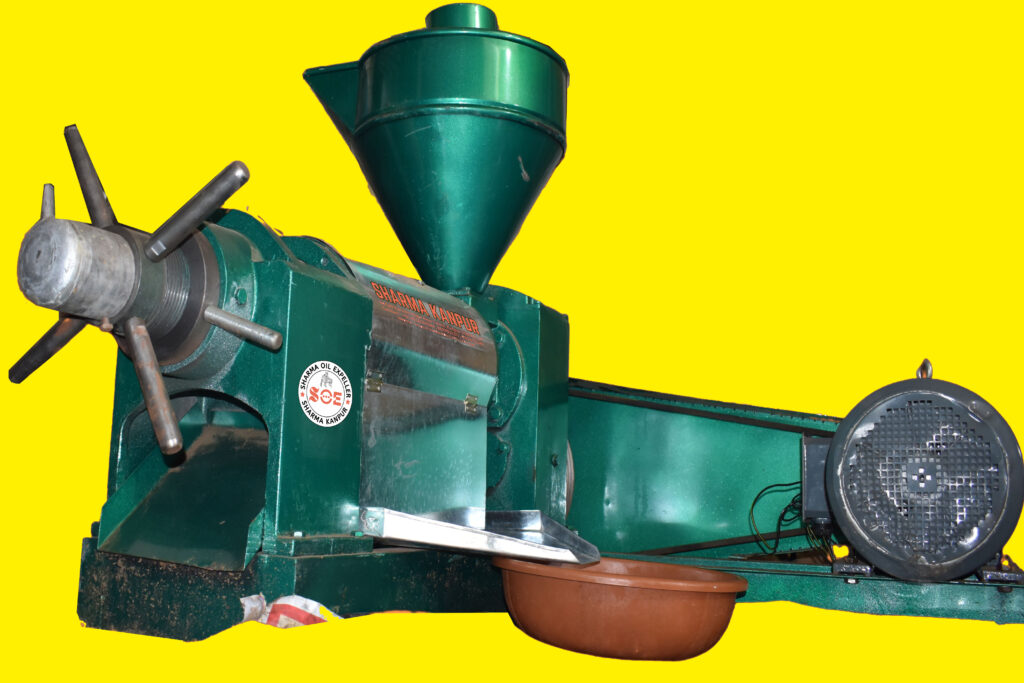
What “cold-press” actually means
“Cold-press” refers to oil extraction performed with minimal external heat input so that the oil temperature remains low enough to preserve heat-sensitive nutrients. Modern “cold” systems carefully regulate friction heat, often integrating thermocouple feedback and improved screw designs to keep temperatures within safe ranges for nutrient preservation.
Core engineering improvements in next-generation machines
Modern machines differ from older units across several engineering dimensions:
Precision screw and barrel design
Improved screw geometry increases lateral compression and shearing control. This allows more oil to be expressed from seeds while keeping temperature rise minimal. Multi-stage screws with progressive compression zones enhance yield.
Material and surface finishes
Food-grade stainless steels and refined surface finishes reduce contamination and micro-abrasion. Non-reactive surfaces preserve oil flavor and reduce the need for chemical polishing.
Temperature monitoring & control
Integrated sensors monitor core temperature and provide real-time data. Controlled cooling jackets or intermittent operation routines prevent overheating and nutrient loss.
Energy efficiency & motor control
Variable-frequency drives (VFDs) and intelligent motor control deliver smoother torque curves and reduced energy consumption. This improves extraction consistency and lowers operating costs.
Safety & sanitation features
Quick-disassembly components, sanitary seals, and hygienic piping reduce downtime for cleaning and reduce microbial contamination risk.
Crushing capacity — model ranges and what they mean for your production
One of the most important considerations when choosing a machine is crushing capacity: the amount of raw seed or nut it can process per hour. Below are representative crushing capacity ranges for typical next-generation cold press models to help you plan production. Actual capacity depends on seed type, moisture content, and feed consistency.
-
Small / artisanal models (suitable for startups, labs): 30 to 80 kg per hour — ideal for specialty oils and boutique brands.
-
Light commercial models (small businesses): 100 to 150 kg per hour — works well for direct-to-consumer brands.
-
Medium commercial models (scale-up producers): 180 to 300 kg per hour — for larger retailers and regional suppliers.
-
High-capacity commercial models (industrial small-lots): 300 to 600+ kg per hour — designed for high throughput and bulk supply.
Example crushing capacity suggestions for common seeds (approximate):
-
Sesame: 100–250 kg/hr depending on model
-
Mustard: 120–300 kg/hr depending on model
-
Peanut/Groundnut: 100–350 kg/hr depending on model
-
Sunflower: 120–320 kg/hr depending on model
-
Coconut (copra): expressed differently (copra needs specific pre-treatment), capacities vary
Infographic: layout suggestions (visual elements for the blog)
Create a vertical infographic to complement the article. Suggested sections and visuals:
-
Header: “Next-Generation Cold Press Oil Machine” with a clear hero image of a machine
-
Section 1: “What is Cold Press?” — small icon + short text
-
Section 2: “Key Engineering Upgrades” — 4 icon blocks (Screw design, Materials, Temp Control, Motor Efficiency)
-
Section 3: “Crushing Capacity at a Glance” — horizontal bar chart with model tiers (Artisanal → Industrial) and kg/hr ranges
-
Section 4: “Health Benefits of Cold-Pressed Oils” — list of nutrients preserved with small icons
-
Section 5: “Choosing the Right Machine” — decision flow: production goal → seed type → capacity
-
Section 6: “Why Buy from Sharma Oil Expeller” — logo + short bullets + CTA and the anchor link Cold Press Oil Machine
-
Footer: quick specs and maintenance tips
SEO keyword strategy & targeted phrases
Primary keyword: Next-Generation Cold Press Oil Machine
Secondary/long-tail keywords: health-focused oil production, cold-pressed oil benefits, best cold press machine for small business, commercial cold press oil machine capacity, low-temperature oil extractor, oil purity and yield, buy cold press oil machine India, Sharma Oil Expeller.
Use these phrases naturally in headings and body text, and include them in image alt-text and infographic captions. Keep density natural; target one primary keyword per ~300–400 words and sprinkle long-tail variants.
Deep dive — benefits of next-generation cold press oil extraction
Nutrient retention and antioxidant preservation
Low-temperature extraction reduces degradation of heat-sensitive fatty acids and antioxidants like vitamin E and polyphenols. These compounds help maintain oil stability and offer health benefits to consumers.
Flavor and aroma retention
Modern cold pressing preserves delicate aroma compounds that are often lost in high-temperature refining. This is especially important for culinary oils like sesame and extra-virgin nut oils.
Cleaner oil with fewer downstream processes
High-quality mechanical extraction reduces impurities and particulate matter at the source, decreasing the need for extensive filtration and refining.
Higher yield with lower waste
Improved screw designs and compression zones let you extract more oil per kg of seed, improving margins and reducing press cake waste.
Reduced chemical processing
Because of the cleaner initial extraction, there is often less need for solvent extraction or harsh chemical refining, making final oil more appealing to natural and organic customers.
Choosing the best model for your product & business
Selecting the right cold press machine requires matching production goals to machine features. Consider:
-
Production volume (kg per hour/day)
-
Types of seeds and their pre-treatment requirements
-
Available floor space and utilities (power, water)
-
Budget and return-on-investment timeline
-
After-sales service, spare parts availability, and warranty
If you produce specialty oils in small batches, an artisanal model with high control over feed and temperature is ideal. For scaling up, choose a robust medium-capacity model with easy maintenance and parts availability.
Pre-processing & seed preparation: often overlooked but crucial
Seeds behave differently. Pre-processing steps strongly influence yield and oil quality:
-
Cleaning: Remove stones, metal and debris to avoid damage and contamination.
-
Drying / moisture control: Correct moisture avoids foaming and reduces free water in oil. Typical moisture ranges vary by seed — target manufacturer recommendations.
-
Dehulling: For certain seeds like sesame, dehulling can increase yield and reduce bitterness.
-
Roasting (optional for flavor): Controlled roasting can enhance flavor for some oils but will change the “cold-pressed” profile; if you roast, keep temperatures moderate and transparent to buyers.
Filtration and post-extraction handling
Freshly expressed oil contains suspended solids and water. Effective post-extraction steps include:
-
Gravity settling tanks for initial clarification
-
Coarse and fine filters to remove particulates
-
Minimal heat or vacuum drying for moisture removal if needed
-
Cold storage in stainless steel tanks to preserve shelf life
Sample production workflows
A typical next-generation workflow for health-focused oils:
-
Clean and sort seeds → adjust moisture → feed into the machine → monitor temperature and RPM → collect expressed oil into settling tanks → filter and bottle under hygienic conditions → label and store under cool conditions.
Maintenance and sanitation — keep your oil pure
-
Daily cleaning of hopper, screw, and barrel to prevent residue buildup
-
Replace gaskets and seals on schedule to maintain sanitary conditions
-
Lubricate bearings and check motor belts for wear
-
Keep an operation log for temperatures, throughput, and maintenance events
Quality control & testing
To ensure a consistent, health-focused product:
-
Test free fatty acid (FFA) levels for freshness
-
Monitor peroxide values to detect oxidation
-
Periodic microbial testing on equipment surfaces and bottled oil
-
Sensory panels for flavor and aroma consistency
Cost considerations and ROI
Invest in machines that balance up-front cost with yield improvement and energy efficiency. Key drivers of ROI include:
-
Improved yield (more oil per kg seeds)
-
Energy savings from efficient motors and controls
-
Reduced waste and downstream processing costs
-
Faster production cycles and higher throughput
Sustainability & environmental benefits
Mechanical cold pressing avoids solvents and lowers chemical waste. Efficient machines also reduce energy consumption and leave press cake that can be used as animal feed or for biomass energy, enhancing circularity.
Packaging and marketing for health-focused oil brands
Proper packaging protects oil quality:
-
Use dark glass or high-barrier bottles to reduce light degradation
-
Nitrogen flushing or inert gas for premium products
-
Clear labeling about “cold-pressed,” harvest date, seed origin, and recommended storage
Marketing tips:
-
Highlight nutrient retention and minimal processing
-
Show origin story and batch numbers to convey authenticity
-
Use tasting notes and pairing suggestions for culinary customers
-
Leverage certifications (organic, non-GMO) when applicable
Why choose Sharma Oil Expeller (recommendation)
For producers ready to invest in a reliable cold press solution, consider Sharma Oil Expeller. They offer a range of cold press oil machines engineered for performance, coupled with after-sales support and spare part availability. For model details and to explore options for your production scale, see their offerings for a suitable Cold Press Oil Machine.
(This recommendation is based on availability of industry-standard machines and the brand’s focus on cold press equipment. Contact Sharma Oil Expeller for the latest model specifications and regional availability.)
Technical specification examples (illustrative)
Note: exact specs vary by model and seed. Validate with the manufacturer for precise figures.
-
Model: Artisanal NG-30
Crushing capacity: 30–60 kg/hr
Motor: 3 HP, single-phase / three-phase option
Material: SS304 food grade barrel & screw
Typical use: boutique producers, lab-scale extraction -
Model: Light Commercial NG-100
Crushing capacity: 100–150 kg/hr
Motor: 10 HP, VFD enabled
Material: SS304 with hygienic finish
Typical use: small businesses, retail product lines -
Model: Medium Commercial NG-250
Crushing capacity: 180–300 kg/hr
Motor: 20–25 HP, VFD with torque control
Material: SS316 contact parts, quick-disassemble design
Typical use: regional suppliers, co-packers -
Model: High-Capacity NG-500
Crushing capacity: 300–600 kg/hr+
Motor: 40+ HP, heavy-duty gearbox, advanced cooling
Material: SS316L, industrial filtration interfaces
Typical use: high throughput small-industrial production
Regulatory & labeling considerations
Follow local food safety laws and labeling requirements. Ensure all claims like “cold-pressed” or “unrefined” are substantiated by your processing methods and quality testing.
Packaging the infographic for different channels
-
Blog hero: Tall infographic for desktop readers and social sharing
-
Instagram: Break infographic into a 8–10 slide carousel (each slide a digestible section)
-
Pinterest: Pin the vertical infographic with a keyword-rich description
-
LinkedIn: Post a short article with the infographic and production benchmarks
Frequently Asked Questions
Q: What seeds can be processed in a cold press?
A: Sesame, mustard, peanut, sunflower, flaxseed, coconut (copra, with special pre-treatment), and many others. Each seed has unique moisture and pre-processing requirements.
Q: Does cold pressing mean no heat at all?
A: Not necessarily. “Cold press” means temperatures are kept low to preserve nutrients; small amounts of heat from friction may occur but are controlled. Modern machines monitor and minimize temperature rise.
Q: How do I increase oil yield?
A: Optimize seed quality and moisture, use suitable screw geometry, stage compression, and ensure consistent feed rate. Pre-treatment like dehulling can also help.
Q: How often should I service the machine?
A: Daily cleaning is recommended. Replace seals and gaskets per manufacturer guidance and schedule motor and gearbox inspection monthly or quarterly based on usage.
Q: Is a cold pressed oil machine energy-intensive?
A: Next-generation machines are designed for energy efficiency, using VFDs and optimized motors. Compare models by kW/kg oil produced for best energy economics.
Troubleshooting common issues
-
Low yield: check seed quality, moisture, and screw wear. Calibrate feed rate.
-
High temperature: reduce feed rate and implement cooling breaks; check for friction-causing wear.
-
Blockages: remove debris, check pre-cleaning, and ensure proper seed size.
-
Excessive solids in oil: extend settling time or upgrade filtration.
Maintenance checklist (brief)
-
Daily: Clean hopper, screw, and barrel; inspect for debris.
-
Weekly: Check seals, belts, and bearings; log operation temperatures.
-
Monthly: Deep-clean and sanitize; check electrical components.
-
Quarterly: Replace wear parts as needed and review machine performance.
Closing thoughts
The shift to health-focused consumption demands equipment that delivers both quality and efficiency. Next-generation cold press oil machines combine mechanical ingenuity with practical production features that protect delicate nutrients, improve yield, and reduce waste. Whether you’re a boutique brand or scaling to commercial distribution, investing in the right extraction equipment and following best practices for pre-treatment, filtration, and quality control will set your oils apart.
For tailored recommendations and model options that suit your production goals, see offerings at Sharma Oil Expeller and consider contacting them to discuss seed-specific capacities, spare parts, and service packages. Explore the right Cold Press Oil Machine for your business today.