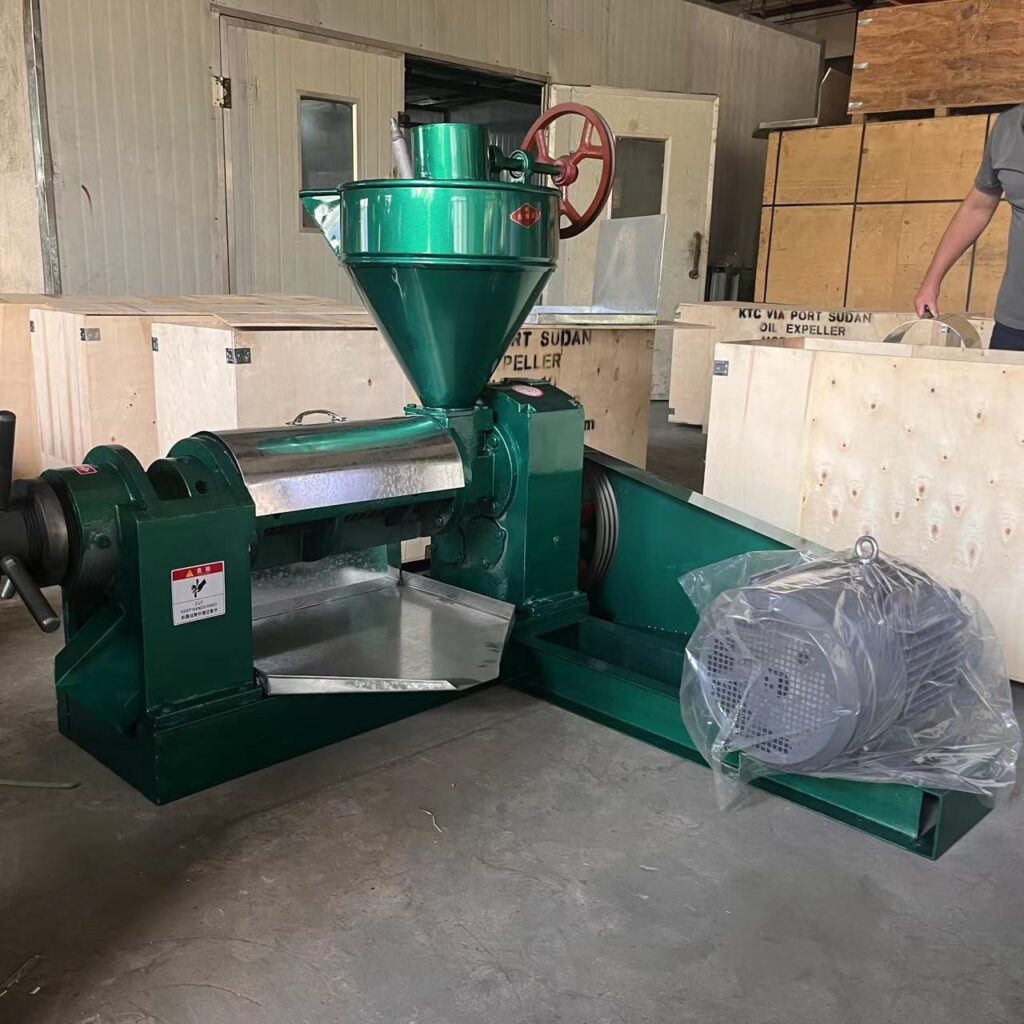
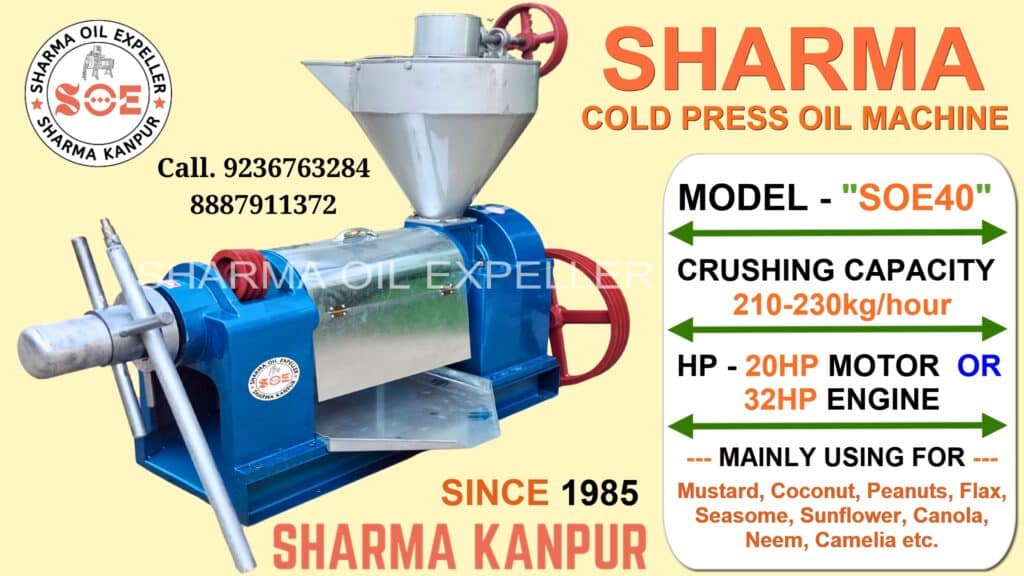
Cold Press Oil Machine, In the evolving world of edible oil production, quality has become more important than quantity. Consumers today are highly aware of nutrition, purity, and processing methods, which has led to a strong demand for cold-pressed oils produced using gentle, natural techniques. Among all technological advancements in oil extraction, low-RPM cold press oil machines stand out as the gold standard for producing premium-quality oils.
A low-RPM cold press oil machine operates at reduced rotational speed while delivering high torque. This balance ensures minimal heat generation, maximum nutrient retention, and superior oil flavor. Unlike high-speed expellers that compromise oil quality for volume, low-RPM machines focus on preserving the natural essence of seeds.
For businesses, farmers, and entrepreneurs aiming to produce high-value oils, investing in a reliable Low-RPM Cold Press Oil Machine is a strategic decision that directly impacts product reputation, customer trust, and long-term profitability.
Understanding Low-RPM Cold Press Oil Machine Technology
Low-RPM technology refers to oil extraction systems that operate at slow rotational speeds while maintaining strong crushing force. RPM, or rotations per minute, directly influences friction, temperature, and oil oxidation during extraction. Lower RPM results in less friction, which keeps oil temperature within safe limits.
A low-RPM cold press oil machine gently compresses oilseeds using a precision-engineered screw and chamber. This controlled mechanical action allows oil to flow naturally without overheating, preserving essential fatty acids, antioxidants, vitamins, and aroma compounds.
This technology is especially beneficial for seeds like sesame, mustard, groundnut, flaxseed, sunflower, coconut, and almond, where excessive heat can destroy nutritional value and alter taste.
Why Low RPM Is Critical for Optimal Oil Quality
Oil quality is highly sensitive to temperature and oxidation. High-speed machines generate heat through friction, which can degrade nutrients and lead to premature rancidity. Low-RPM cold press machines avoid this problem by maintaining a slow, steady extraction process.
Benefits of low-RPM operation include improved oil clarity, enhanced natural aroma, better color retention, longer shelf life, and higher market value. Oils extracted using low-RPM machines retain their original biochemical structure, making them ideal for health-conscious consumers and premium brands.
From an operational standpoint, low-RPM machines experience less wear and tear, resulting in longer machine life and lower maintenance costs.
Precision Engineering and Build Quality
A low-RPM cold press oil machine relies heavily on precision engineering. The crushing shaft, screw design, and press chamber must be perfectly aligned to deliver uniform pressure at low speed. High-quality machines use hardened alloy steel for internal components and food-grade stainless steel for oil-contact surfaces.
Robust bearings, heavy-duty gearboxes, and energy-efficient motors ensure stable torque delivery even during continuous operation. Precision machining reduces vibration, noise, and friction, ensuring consistent output and minimal downtime.
Well-engineered low-RPM machines are designed for ease of cleaning, quick part replacement, and long-term reliability.
Crushing Capacity and Performance Range
Crushing capacity depends on machine power, seed type, moisture content, and operational settings. Low-RPM cold press oil machines are available in multiple configurations to suit different production needs.
A five-horsepower low-RPM cold press oil machine typically delivers a crushing capacity of sixty to seventy kilograms per hour, making it ideal for small businesses and startups. Ten-horsepower machines offer a crushing capacity of one hundred twenty to one hundred thirty kilograms per hour, suitable for small commercial units.
Medium-scale operations often choose twenty-horsepower machines with a crushing capacity ranging from two hundred twenty to two hundred fifty kilograms per hour. Larger commercial producers may opt for thirty-horsepower or higher machines capable of processing three hundred kilograms per hour or more, depending on seed type.
Low-RPM machines maintain consistent oil quality across all capacity ranges, which is their biggest advantage over high-speed expellers.
Oil Yield and Efficiency Advantages
Low-RPM cold press oil machines deliver excellent oil yield due to controlled compression and extended contact time between seed and press chamber. This allows maximum oil release without damaging the oil structure.
The residual oil content in the oil cake is significantly lower, improving overall extraction efficiency. Higher yield per kilogram of raw material directly reduces production cost and increases profitability.
Consistent yield also helps manufacturers maintain stable pricing and predictable output, which is critical for long-term business planning.
Nutrient Preservation and Health Benefits
One of the most compelling reasons to use a low-RPM cold press oil machine is nutrient preservation. Oils extracted at low temperatures retain natural antioxidants, omega fatty acids, phytosterols, and fat-soluble vitamins.
Vitamin E remains intact, supporting heart health and skin wellness. Omega fatty acids remain stable, promoting brain function and reducing inflammation. Natural antioxidants slow oxidation, extending shelf life without chemical additives.
These benefits make low-RPM cold-pressed oils highly desirable in health food markets, ayurvedic products, and premium culinary applications.
Applications Across Industries
Low-RPM cold press oil machines are widely used in edible oil manufacturing, organic food processing, cosmetic oil production, and traditional ayurvedic preparations. Farmers use them to add value to their crops, while startups use them to create niche, premium brands.
Restaurants, hotels, and specialty food producers prefer low-RPM cold-pressed oils for superior taste and cooking performance. Cosmetic manufacturers rely on these machines for extracting carrier oils with high purity.
The versatility of low-RPM machines makes them suitable for both small-scale and commercial operations.
Energy Efficiency and Operational Economy
Low-RPM machines are inherently energy-efficient. Slow rotational speed combined with high torque minimizes power wastage and reduces electricity consumption per kilogram of oil extracted.
Lower mechanical stress reduces maintenance frequency and spare part replacement costs. The long service life of precision components further improves return on investment.
For businesses operating in regions with high energy costs, low-RPM cold press oil machines offer a sustainable and cost-effective solution.
Choosing the Right Low-RPM Cold Press Oil Machine
Selecting the right machine requires careful evaluation of production goals, seed types, and future expansion plans. Buyers should consider crushing capacity, motor power, material quality, ease of maintenance, and availability of technical support.
A reliable manufacturer provides transparent specifications, training, installation support, and long-term service assurance. Choosing the correct machine from the beginning prevents operational bottlenecks and unnecessary upgrades.
Why Sharma Oil Expeller Is the Preferred Choice
When it comes to quality, reliability, and engineering excellence, Sharma Oil Expeller stands out as a trusted manufacturer of cold press oil machinery. Their low-RPM machines are designed to deliver optimal oil quality, high crushing efficiency, and long-term durability.
Sharma Oil Expeller focuses on precision manufacturing, food-grade materials, and customer-centric service. Their machines are suitable for a wide range of oilseeds and production scales.
For anyone planning to invest in a dependable <a href=”https://sharmaoilexpeller.com”>Cold Press Oil Machine</a>, Sharma Oil Expeller offers proven solutions backed by experience and industry trust.
Maintenance and Long-Term Performance
Low-RPM cold press oil machines require minimal maintenance when operated correctly. Regular cleaning, lubrication, and periodic inspection ensure smooth performance. Precision design minimizes component wear, reducing downtime.
Proper maintenance not only extends machine life but also ensures consistent oil quality over time. Well-maintained machines maintain stable temperature and pressure, which is critical for premium oil production.
Market Demand and Business Opportunities
Demand for cold-pressed oils is growing rapidly due to increasing health awareness and preference for natural foods. Low-RPM extraction technology allows producers to meet this demand with superior-quality products.
Entrepreneurs entering the edible oil market can differentiate their brand by highlighting low-RPM cold pressing, nutrient retention, and chemical-free processing. This positioning supports premium pricing and customer loyalty.
Conclusion: Investing in Quality Through Low-RPM Technology
A low-RPM cold press oil machine is more than just equipment; it is a foundation for producing high-quality, nutrient-rich oils that meet modern consumer expectations. By minimizing heat and maximizing control, low-RPM machines deliver exceptional oil quality, consistent yield, and long-term reliability.
For businesses seeking trusted machinery and expert support, Sharma Oil Expeller is a reliable partner. Explore their range of <a href=”https://sharmaoilexpeller.com”>Cold Press Oil Machine</a> solutions to elevate your oil production and build a sustainable, profitable operation.