
Masala Chakki and Pulverizer
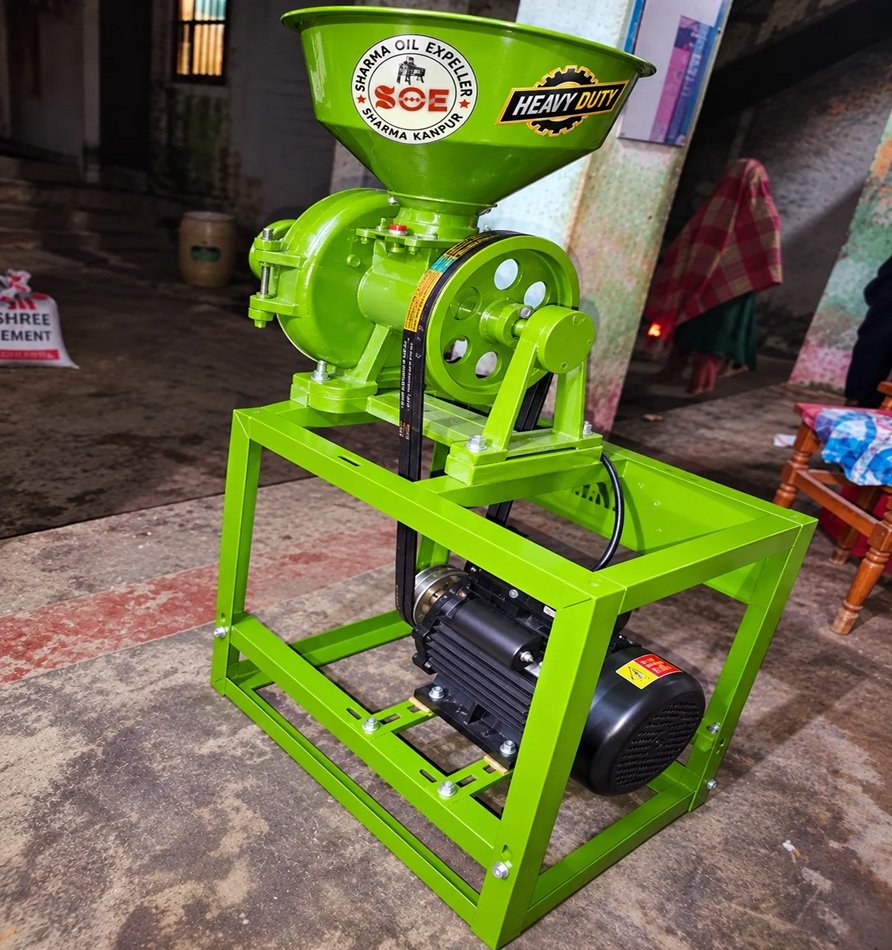
3 HP Masala Chakki
Masala Chakki efficiently grinds spices into fine, uniform powder while preserving their natural aroma, flavor, and quality for commercial or home use. Capacity is 25 to 30 kg per hour.
Contact Us
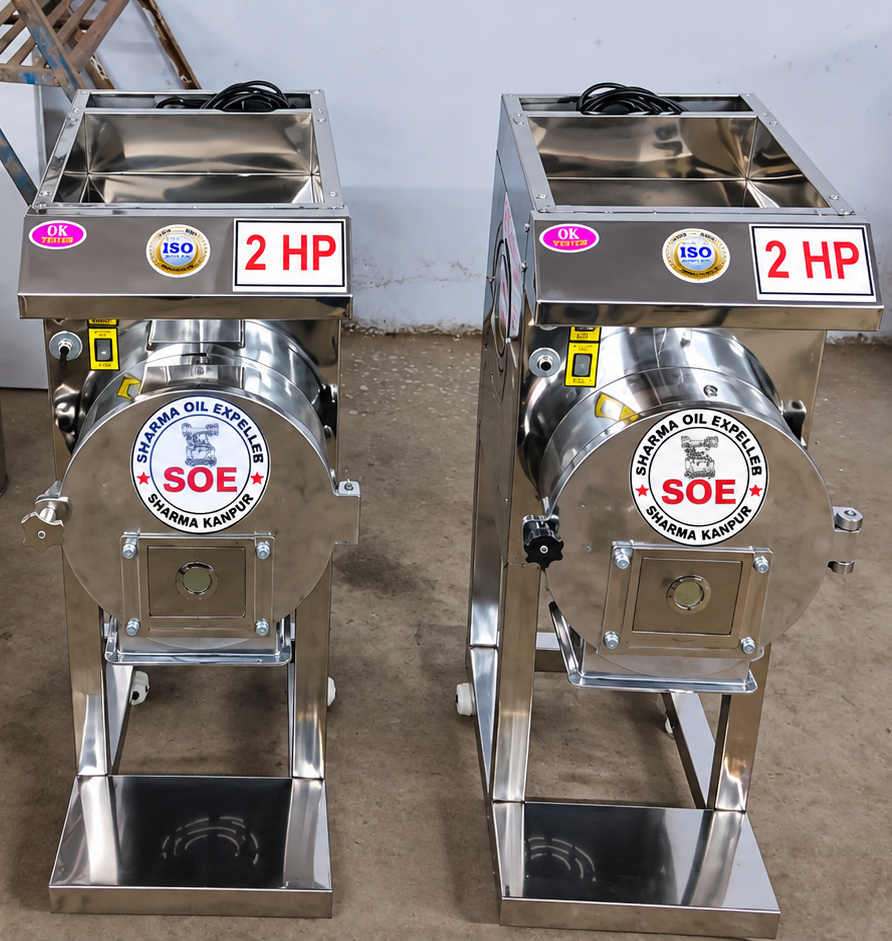
Pulverizer 2 HP
Pulverizer efficiently grinds grains, spices, herbs, and other materials into fine, uniform powder with high speed, consistent quality, and minimal wastage. Capacity is 5 to 6 kg per hour.
Contact Us
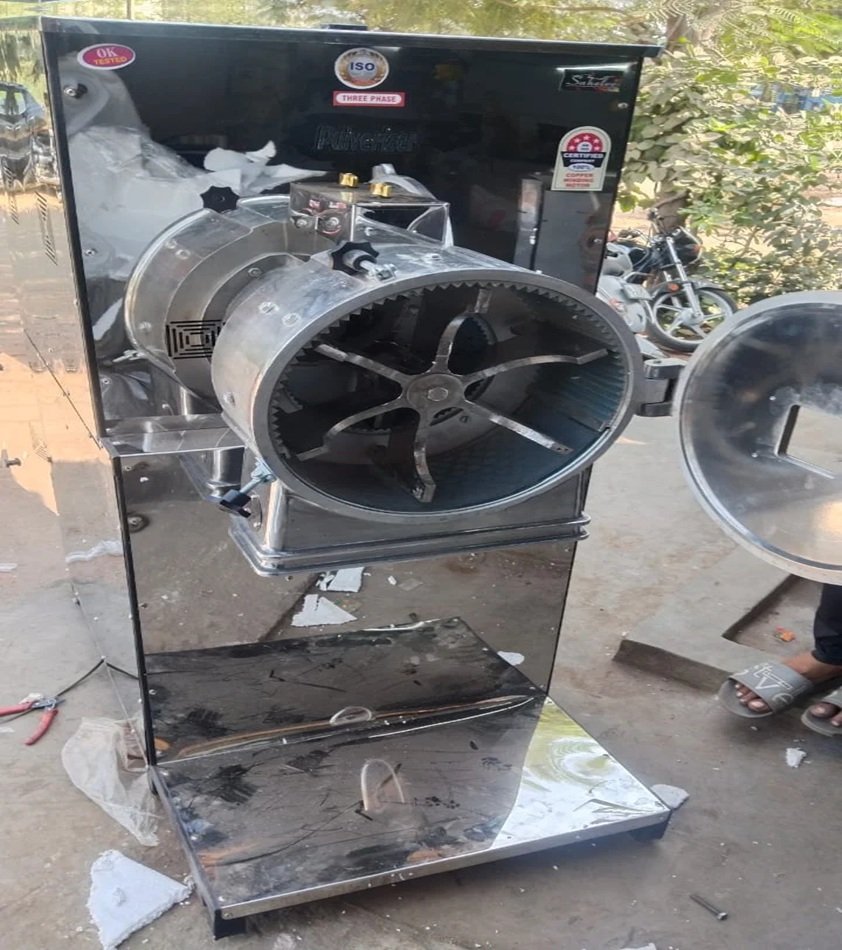
Pulverizer 3 HP
Pulverizer efficiently grinds grains, spices, herbs, and other materials into fine, uniform powder with high speed, consistent quality, and minimal wastage. Capacity is 8 to 10 kg per hour.
Contact Us
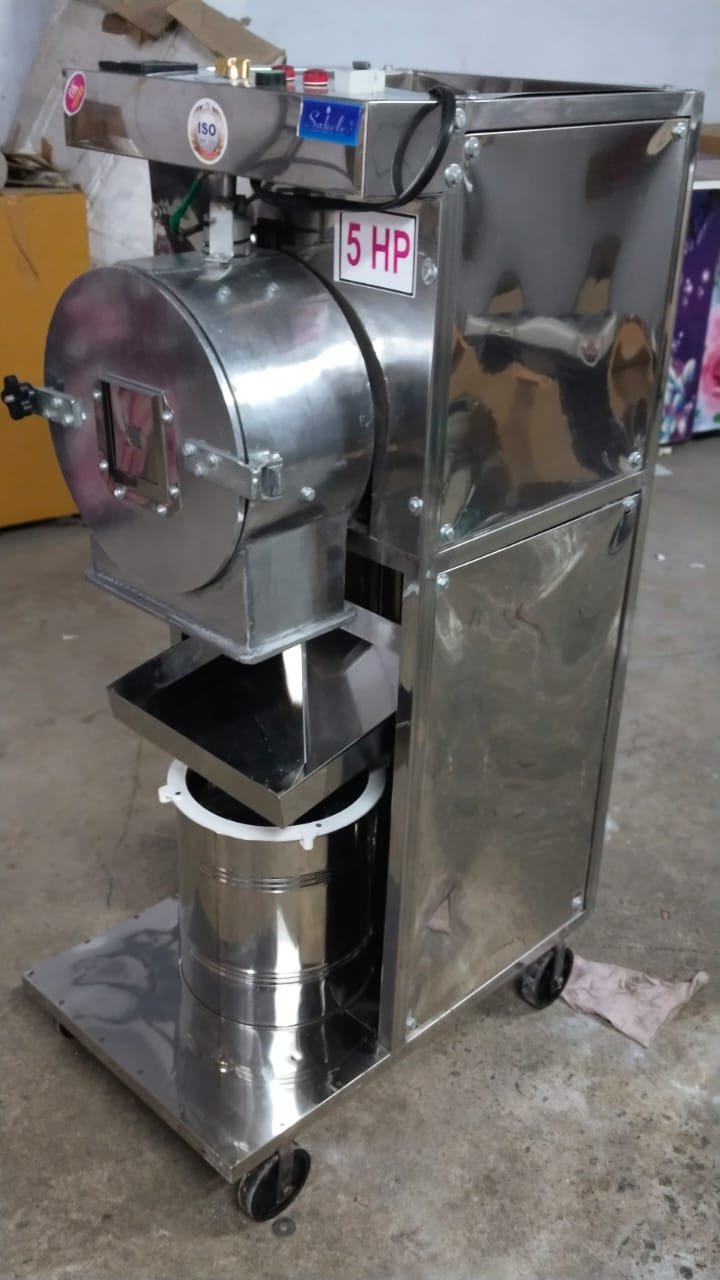
Pulverizer 7.5 HP
Pulverizer efficiently grinds grains, spices, herbs, and other materials into fine, uniform powder with high speed, consistent quality, and minimal wastage. Capacity is 17 to 20 kg per hour.
Contact Us
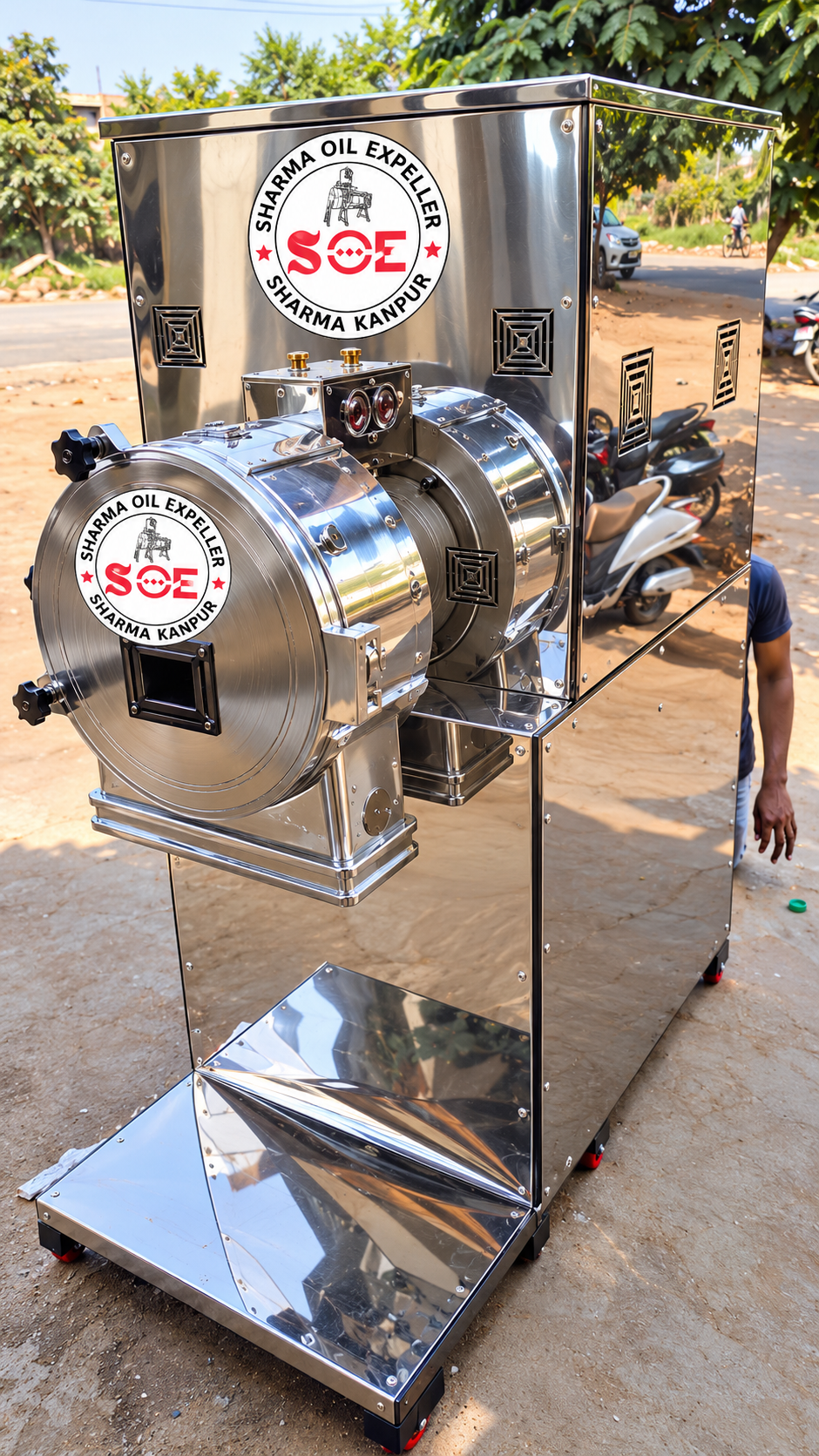
Pulverizer 7.5 HP
Pulverizer efficiently grinds grains, spices, herbs, and other materials into fine, uniform powder with high speed, consistent quality, and minimal wastage. Capacity is 25 to 30 kg per hour.
Contact Us
Pulverizer 10 HP
Pulverizer efficiently grinds grains, spices, herbs, and other materials into fine, uniform powder with high speed, consistent quality, and minimal wastage. Capacity is 40 to 45 kg per hour.
Contact Us
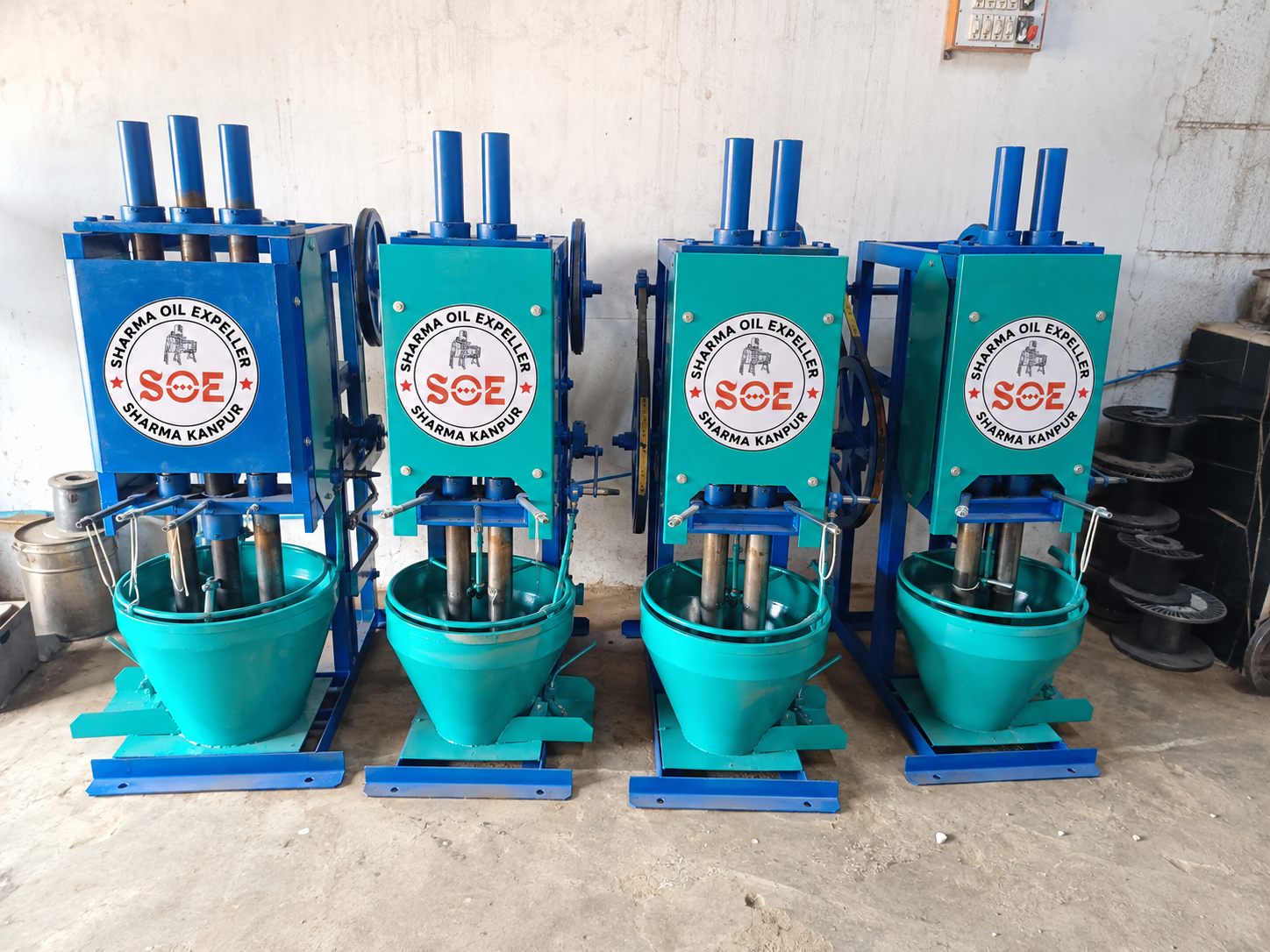
Kandap Machine 2 Bars
Mirchi Kandap Machine made for spices grinding machine. Kandap machine with heavy fabrication body structure. Capacity is 5 to 7 kg per hour. Power Requirement 2 HP Motor.
Contact Us
Kandap Machine 3 Bars
Mirchi Kandap Machine made for spices grinding machine. Kandap machine with heavy fabrication body structure. Capacity is 12 to 15 kg per hour. Power Requirement 3 HP Motor.
Contact Us
Kandap Machine 4 Bars
Mirchi Kandap Machine made for spices grinding machine. Kandap machine with heavy fabrication body structure. Capacity is 25 to 30 kg per hour. Power Requirement 5 HP Motor.
Contact Us
Sharma Oil Expeller - Masala Chakki and Pulverizer Running Videos
Pulverizer Machine: Types, Uses, Benefits and Masala Chakki
Sharma Oil Expeller offers machinery solutions for businesses exploring pulverizer machines, spice grinding equipment and Masala Chakki machines. Discover the different motor capacities, applications and important factors to consider before selecting a grinding machine for your business.
Introduction to Pulverizer Machine
A pulverizer machine is an essential piece of equipment for grinding grains, spices, herbs, pulses and other suitable raw materials into fine or coarse powder. It is widely used in grocery shops, spice-processing businesses, flour mills, restaurants, hotels, food-processing units and small to large-scale commercial operations.
With growing interest in freshly ground spices, flour and food ingredients, pulverizer machines have become a useful option for entrepreneurs who want to establish or expand a grinding business. A suitable pulverizer can make grinding more convenient, reduce manual effort and help businesses process compatible materials in manageable batches.
Depending on its design, motor power, grinding mechanism and screen size, a pulverizer machine can process different materials to achieve the required particle size. Applications may include grinding turmeric, chilli, coriander, cumin, black pepper, selected grains, pulses and other suitable ingredients.
Sharma Oil Expeller is a machinery brand that customers can contact to enquire about pulverizer machines and related grinding equipment. Whether you are considering a 2 HP pulverizer for a small shop, a 3 HP machine for regular grinding, a 5 HP pulverizer for a growing business, a 7.5 HP model for more demanding work or a 10 HP machine for higher-powered commercial processing, the right choice depends on your actual production requirements.
Sharma Oil Expeller can also be contacted for enquiries about Masala Chakki machines, which are commonly used to grind whole spices into fresh masala powder. Always confirm the current availability, specifications, prices and supported applications of individual machines directly with the supplier.
What Is a Pulverizer Machine?
A pulverizer machine is a mechanical grinding machine designed to reduce suitable raw materials into smaller particles or powder. It uses a motor-driven grinding mechanism to break down materials through impact, cutting, friction or a combination of these actions, depending on the machine's design.
Pulverizers are available in different configurations for different processing requirements. Some models are designed primarily for spices and dry food ingredients, while others are suitable for grains, pulses, herbs and selected industrial materials. The appropriate machine depends on the hardness, moisture content, oil content and other properties of the material.
In food processing, pulverizer machines are useful because they allow businesses to prepare ingredients in batches and select a suitable grinding screen or setting where the machine design permits it. A spice shop may require fine turmeric powder, while another business may prefer a coarser coriander or cumin powder. Flour-processing requirements can differ from chilli-grinding requirements.
A pulverizer machine may be used for:
- Grinding suitable dry spices such as turmeric, chilli, coriander and cumin.
- Processing compatible grains and cereals into powder or meal.
- Grinding selected pulses and dry food ingredients.
- Preparing suitable dry herbs and other compatible materials.
- Supporting small-scale and commercial masala production.
- Processing approved raw materials in food-processing businesses.
Not every pulverizer is suitable for every material. Ingredients with high oil content, excessive moisture, fibrous structures or special handling requirements may need a different machine design. Confirm material compatibility with the manufacturer before purchasing.
Why Is a Pulverizer Machine Important for Modern Businesses?
Grinding is an important step in many food-processing activities. Traditional grinding methods may still be suitable for particular applications, but commercial businesses often need faster processing, a more organised workflow and the ability to handle regular customer orders.
A pulverizer machine uses motor power to perform grinding work. Depending on the model and material, it can reduce manual effort, support repeatable processing and help businesses manage larger quantities than manual methods.
1. Faster Grinding Process
One of the main benefits of a pulverizer machine is its ability to grind compatible materials mechanically. This can help shops and processing units manage orders more efficiently. Actual grinding speed depends on the raw material, moisture content, screen size and desired fineness.
2. Consistent Powder Quality
A suitable pulverizer can help produce a more uniform powder when operated correctly. Consistent particle size is important for spice businesses where customers expect similar texture and quality in every batch.
3. Suitable for Different Business Sizes
Pulverizer machines are available in different motor capacities. Smaller machines may suit shops and startups, while higher-powered models may be appropriate for businesses processing larger volumes.
4. Useful for Fresh Masala Production
Freshly ground spices are popular with customers who want to prepare their own spice blends or purchase freshly processed ingredients. A suitable pulverizer or Masala Chakki can help retailers and manufacturers grind spices according to customer demand.
5. Supports Business Expansion
A business that begins with small grinding orders may eventually need to process more raw materials. Selecting an appropriately sized machine can help establish a practical foundation for growth.
6. Multiple Revenue Opportunities
- Grinding raw materials for customers on a service-charge basis.
- Selling freshly ground masala powder.
- Processing compatible grains and other food ingredients.
- Supplying ground spices to grocery stores and restaurants.
- Developing packaged spice products under a private label.
- Offering custom grinding services to local food businesses.
Before investing, identify local demand and estimate operating costs. Machine power is only one part of the decision; raw-material supply, product quality, customer relationships and maintenance also matter.
Types of Pulverizer Machines by Motor Power
Pulverizer machines are commonly compared by horsepower (HP), which indicates the rated power of the motor. The main capacities discussed here are 2 HP, 3 HP, 5 HP, 7.5 HP and 10 HP.
Each capacity may suit a different operation, but there is no single production figure that applies to every machine in a particular HP category. Output can vary according to machine construction, grinding chamber design, screen opening, raw material and required powder fineness.
1. 2 HP Pulverizer Machine
A 2 HP pulverizer machine is worth considering for entrepreneurs who want to start a small grinding business. Depending on the model, it may be suitable for small shops, modest workloads and manageable batches of compatible dry materials.
2. 3 HP Pulverizer Machine
A 3 HP pulverizer machine may suit small businesses that process materials more frequently or need additional capacity compared with a compact entry-level machine. Potential users include grocery shops, spice retailers and small grinding-service businesses.
3. 5 HP Pulverizer Machine
A 5 HP pulverizer machine may be suitable for businesses that have moved beyond occasional grinding and need a more capable commercial setup. It can be considered by spice retailers, small masala manufacturers and food-processing units.
4. 7.5 HP Pulverizer Machine
A 7.5 HP pulverizer machine may be appropriate for operations with higher processing requirements. Its suitability depends on the raw materials, machine construction, grinding mechanism and demonstrated output.
5. 10 HP Pulverizer Machine
A 10 HP pulverizer machine is a higher-powered option for commercial operations that need to evaluate substantial grinding workloads. It may be considered by spice manufacturers, processing units and businesses with regular production requirements.
2 HP Pulverizer Machine: A Practical Option for Small Businesses
A 2 HP pulverizer machine may be useful for entrepreneurs who want to begin a small grinding business without immediately investing in a larger industrial setup. Its suitability depends on the exact model, motor type, grinding mechanism and intended raw materials.
Features and Applications
A 2 HP pulverizer may be used for suitable dry spices, grains, herbs and other materials approved for the particular model. Depending on its configuration, it may include a feed hopper, grinding chamber, motor and outlet, along with suitable grinding screens.
Possible applications include:
- Grinding dry chilli and coriander.
- Preparing small batches of selected spice powders.
- Processing compatible dry food ingredients.
- Providing grinding services to local customers.
- Supporting a small-scale masala business.
Who Should Consider a 2 HP Pulverizer?
This capacity may suit a small shop or dedicated workspace that processes a limited amount of material each day. Before purchasing, consider the expected number of orders, variety of materials, electrical supply and available space.
If your business mainly handles very fine powders or hard materials, ask the supplier to demonstrate the machine with your intended raw material and confirm the expected production rate.
Advantages of a 2 HP Model
- May be suitable for smaller production requirements.
- Can be considered for a compact grinding workspace.
- Can support small-batch spice processing.
- May provide an entry point for a grinding-service business.
- Can reduce manual grinding effort.
Actual footprint, operating costs and processing performance depend on the selected machine.
3 HP Pulverizer Machine for Regular Grinding Requirements
A 3 HP pulverizer machine is an option for small businesses that process materials regularly or need more capacity than a compact entry-level machine. It may suit a grocery store with regular spice orders, a local masala-grinding service or a small food-processing unit.
The difference between a 2 HP and a 3 HP machine should not be evaluated by horsepower alone. Grinding chamber design, rotor speed, screen construction, motor efficiency and material characteristics all influence the final output.
Applications of a 3 HP Pulverizer
- Dry chilli powder production, where supported by the model.
- Coriander and cumin grinding.
- Processing selected dry herbs and food ingredients.
- Small commercial masala production.
- Grinding suitable grains or pulses.
- Grinding work for local shops and customers.
Businesses producing different types of spice powder should consider cleaning requirements between batches. Strongly coloured or aromatic spices can affect the flavour, appearance and aroma of subsequent products if residue remains in the grinding chamber.
Benefits for Growing Businesses
A 3 HP pulverizer may offer a useful balance between motor capacity and the needs of a small commercial operation. For businesses with steady demand, a properly selected model can help improve the workflow between raw-material preparation, grinding, sieving, weighing and packaging.
Consider a 3 HP machine if you regularly receive grinding orders and your existing equipment struggles to keep up. Ask the supplier to confirm expected output for each material and desired fineness.
5 HP Pulverizer Machine for Growing Commercial Operations
A 5 HP pulverizer machine may be a suitable choice for businesses that need a more capable commercial grinding setup. It can be considered by spice retailers, masala manufacturers, food-processing units and entrepreneurs supplying ground ingredients to other businesses.
Applications of a 5 HP Pulverizer
- Small commercial spice-grinding units.
- Masala manufacturing businesses.
- Grocery and wholesale spice operations.
- Selected dry food-ingredient processing.
- Grinding services for restaurants and food businesses.
- Small-scale packaged spice production.
Advantages of a 5 HP Pulverizer
A suitable 5 HP model may support more demanding workloads than a smaller machine when its design is appropriate for the application. Potential advantages include a higher motor-power rating, suitability for recurring commercial orders and integration into a larger grinding and packaging workflow.
Higher motor power does not automatically mean a proportionate increase in output. Fine chilli powder, for example, may require different processing conditions from coarser grain meal.
Important Buying Considerations
Before buying a 5 HP pulverizer machine, ask about the motor rating, electrical phase, rated current, recommended operating duration, screen options, cleaning procedure and availability of spare parts.
Also ask whether the quoted capacity is measured using a coarse or fine screen. This distinction is important when comparing machines because their advertised production figures may have been obtained under different test conditions.
7.5 HP Pulverizer Machine for Higher Processing Requirements
A 7.5 HP pulverizer machine may be appropriate for businesses that need a more powerful grinding solution for regular commercial production. It can be considered by established masala manufacturers, larger grinding shops and food-processing operations where a smaller machine may not meet the required workload.
Applications of a 7.5 HP Pulverizer
- Commercial grinding of dry spices.
- Processing compatible herbs and food ingredients.
- Batch production of masala powder.
- Grinding selected cereals and pulses.
- Supplying ground ingredients to retailers and wholesalers.
- Supporting a structured food-processing operation.
Benefits of a 7.5 HP Machine
A 7.5 HP pulverizer may help businesses manage larger workloads when the grinding system is designed for their intended raw materials. It may also be considered when planning the next stage of business expansion.
- Higher motor-power rating than smaller models.
- Potential suitability for demanding compatible applications.
- Possible integration with weighing and packaging equipment.
- Support for businesses handling frequent customer orders.
- Choice of machine configuration according to production needs.
Space, Power and Safety Requirements
A higher-powered pulverizer may require more careful planning for electrical supply, ventilation, dust extraction, operator access and maintenance.
Have a qualified electrician confirm that the installation can support the motor's starting current and normal operating load. Use appropriate protective devices, grounding and emergency isolation. Never open the grinding chamber while the machine is running or clear a blockage without following the manufacturer's isolation procedure.
10 HP Pulverizer Machine for Demanding Commercial Grinding
A 10 HP pulverizer machine is a higher-powered option for commercial operations that need to evaluate substantial grinding workloads. It may be considered by spice manufacturers, processing units, wholesalers and other businesses requiring a more powerful machine for compatible materials.
A 10 HP motor alone does not define the machine's production capacity. The grinding mechanism, rotor design, feed rate, screen size, material properties and required fineness remain important.
Applications of a 10 HP Pulverizer
- Commercial spice-powder production.
- Processing suitable dry food ingredients.
- Grinding compatible grains and pulses.
- Batch manufacturing of masala blends.
- Supplying powdered ingredients to retailers and restaurants.
- Supporting larger grinding-service operations.
Key Benefits of a 10 HP Pulverizer
Higher Motor-Power Rating
A 10 HP motor provides a higher rated power level than the smaller models discussed in this guide. Actual grinding performance depends on the complete machine design.
Commercial Processing Potential
It may be appropriate for businesses that have regular demand and need to evaluate higher-volume production.
Integration with a Production Workflow
Depending on the setup, the machine may be used alongside raw-material preparation, sieving, weighing and packaging equipment.
Support for Business Growth
Businesses can evaluate this capacity when existing equipment no longer meets their production targets.
Potential for Batch Consistency
A correctly selected machine, operated under controlled conditions, can help businesses establish repeatable grinding procedures.
What Should You Check Before Buying?
- Verified hourly output for the intended material.
- Expected output at the required powder fineness.
- Electrical phase, voltage, current and starting requirements.
- Motor efficiency and recommended operating conditions.
- Grinding-screen specifications and replacement costs.
- Dust-control requirements and product-contact materials.
- Noise levels and operator-safety features.
- Cleaning, maintenance and spare-parts support.
- Warranty terms and after-sales service.
A demonstration using your actual raw material is particularly valuable. It can reveal whether the machine meets the required fineness and throughput without creating excessive heat or unacceptable waste.
Pulverizer Machine Comparison: 2 HP, 3 HP, 5 HP, 7.5 HP and 10 HP
Choosing the right pulverizer machine becomes easier when you compare the intended application, production needs, electrical requirements and available workspace.
| Machine Type | Potential Application | Business Stage |
|---|---|---|
| 2 HP Pulverizer | Small-batch grinding of suitable materials | Startup or small shop |
| 3 HP Pulverizer | Regular small-scale grinding | Small commercial business |
| 5 HP Pulverizer | Recurring commercial grinding orders | Growing business |
| 7.5 HP Pulverizer | More demanding grinding workloads | Established operation |
| 10 HP Pulverizer | Higher-powered commercial processing | Larger or expanding operation |
These categories are general selection guidance, not guaranteed production classifications. A well-designed smaller machine may outperform a poorly matched larger machine for a particular material.
How to Select the Right HP Pulverizer
Start by calculating how much raw material you expect to process daily. Then consider the number of operating hours, the type of material and whether the finished product needs to be coarse, medium or finely ground.
A shop that processes a few batches of coriander and chilli may not need the same equipment as a business manufacturing packaged masala for wholesale distribution.
Consider future demand, but avoid purchasing excessive capacity without a clear business requirement. A larger machine can involve higher electrical demand, more space and potentially greater maintenance costs.
The most practical machine is the one that meets your production target, quality requirements and budget while operating safely and reliably.
What Is a Masala Chakki Machine?
A Masala Chakki is a grinding machine used to turn suitable whole spices and dry ingredients into powdered masala. It is commonly used by spice shops, grocery stores, restaurants, hotels, masala manufacturers and food-processing businesses.
The word "chakki" is often associated with traditional grinding equipment. In commercial settings, Masala Chakki machines may use different grinding mechanisms depending on the model, including rotating grinding elements, plates or other purpose-built arrangements.
A Masala Chakki is especially useful for businesses that want to sell freshly ground spices or offer grinding services to customers who bring their own raw ingredients.
What Can You Grind in a Masala Chakki?
- Turmeric: Used to prepare turmeric powder.
- Dry red chilli: Used to produce chilli powder in the desired texture.
- Coriander seeds: Commonly ground for everyday cooking.
- Cumin seeds: Used in spice blends and seasoning.
- Black pepper: Ground for culinary use where the machine supports it.
- Fennel seeds: Used in selected spice preparations.
- Mustard seeds: Processed only where the machine is suitable for their oil content and grinding behaviour.
- Other dry spices: Subject to their hardness, oil content, moisture and manufacturer recommendations.
Not all spices behave the same way during grinding. Some contain oils that can cause material to stick to grinding surfaces, while others can generate substantial heat or dust. Test the machine with the intended ingredients before commercial use.
Difference Between a Pulverizer and a Masala Chakki
The terms "pulverizer" and "Masala Chakki" are sometimes used interchangeably in the Indian grinding-machine market, but they do not always refer to identical equipment.
A pulverizer is a broad category of machines designed to reduce materials into smaller particles or powder. A Masala Chakki generally refers to equipment intended for spice grinding, although its exact construction and capabilities vary by manufacturer.
| Feature | Pulverizer Machine | Masala Chakki |
|---|---|---|
| Main Purpose | Grinding suitable materials into powder | Grinding spices and masala ingredients |
| Common Applications | Spices, grains, herbs and compatible materials | Chilli, coriander, turmeric, cumin and other suitable spices |
| Design | Varies by material and application | Selected according to spice-grinding requirements |
| Powder Fineness | Depends on the screen and grinding mechanism | Depends on the grinding mechanism and settings |
| Selection Factor | Material compatibility and production target | Spice compatibility, aroma, colour and texture |
The right choice depends on what you plan to grind. A general-purpose pulverizer may suit a business that processes multiple types of material, while a specialised Masala Chakki may be preferable for a business focused on spices.
Benefits of a Commercial Masala Chakki
Fresh Grinding on Demand
A Masala Chakki enables a shop to grind suitable spices in small or larger batches as orders arrive. This can help businesses serve customers who prefer freshly ground ingredients.
Support for Multiple Spice Products
A suitable model can help a business prepare different spice powders, provided the machine can process each ingredient safely and effectively.
Potential for a Packaged Masala Business
Entrepreneurs can explore selling ground turmeric, chilli, coriander, cumin and selected spice blends in properly labelled packages. Commercial food businesses in India must comply with applicable food-safety, licensing, hygiene and labelling requirements.
Custom Grinding Services
Some shops charge customers for grinding their own spices. This model can be attractive where there is local demand for fresh processing.
Convenient Commercial Workflow
When combined with suitable weighing, sieving, cleaning and packaging procedures, a Masala Chakki can become part of a structured small-scale spice-processing setup.
How to Start a Masala Grinding Business with a Pulverizer Machine
A pulverizer or Masala Chakki can be the foundation of a small food-processing business, but the machine is only one part of the operation. Success also depends on local demand, raw-material quality, hygienic handling, packaging, pricing and customer service.
Step 1: Research Your Local Market
Find out which products local customers buy regularly. Visit grocery stores, spice retailers, restaurants, food manufacturers and wholesale markets to understand their requirements.
Ask whether customers prefer whole spices, freshly ground spices, packaged powders or custom blends. This research can help you select a suitable machine and product range.
Step 2: Select the Right Machine Capacity
Choose a 2 HP, 3 HP, 5 HP, 7.5 HP or 10 HP machine according to verified output and expected demand. A small shop may begin with a compact model, while a wholesale-oriented operation may need a more powerful configuration.
Do not base your decision on HP alone. Ask the supplier to demonstrate the machine using the actual spices you plan to process.
Step 3: Arrange a Suitable Workspace
Your grinding area should be clean, dry, well ventilated and arranged to reduce cross-contamination between ingredients. Plan for raw-material storage, grinding, sieving, packaging, finished-goods storage and safe operator movement.
Provide suitable dust extraction and housekeeping procedures. Fine spice dust can irritate the respiratory system, and combustible dust may create a fire or explosion hazard under certain conditions. Follow applicable safety guidance and the manufacturer's instructions.
Step 4: Source Quality Raw Materials
The final product depends heavily on the raw ingredients. Buy spices from reliable suppliers and inspect them for quality, moisture, foreign matter and signs of contamination.
Use the cleaning and preparation procedures appropriate to each ingredient. Do not grind material that is wet, mouldy, contaminated or otherwise unsuitable for food processing.
Step 5: Maintain Hygiene and Consistency
Establish a cleaning routine for the machine, storage containers, work surfaces and packaging area. When multiple spices are processed, manage residue carefully to reduce unwanted mixing of aromas, colours and allergens.
Record batch details and use consistent grinding settings wherever possible. This makes it easier to investigate customer complaints and maintain repeatable quality.
Step 6: Plan Packaging and Labelling
If you intend to sell packaged masala, choose food-grade packaging appropriate to the product. Protect the finished powder from moisture, light, air exposure and contamination as required.
Use accurate labels that comply with applicable regulations. Depending on the product and sales channel, this may include ingredient information, net quantity, batch identification, manufacturer details, dates, allergen information and required licensing information.
Step 7: Calculate Your Costs
Include more than the machine purchase price. Consider electricity, labour, raw materials, packaging, transport, rent, maintenance, cleaning and applicable regulatory expenses.
A clear cost calculation helps you establish realistic prices and understand how much work is needed to cover operating costs.
Step 8: Build Customer Relationships
Approach local grocery stores, restaurants, caterers, spice retailers and small food manufacturers. Consistent quality, dependable delivery, transparent pricing and good service can help establish repeat business.
Online listings and social media can also help customers discover your products. Ensure that marketing claims are accurate and supported.
Factors That Affect Pulverizer Machine Production Capacity
One of the most important questions buyers ask is how many kilograms a pulverizer machine can grind per hour. The answer depends on several variables, so a reliable supplier should provide capacity estimates for the specific model and application.
1. Type of Raw Material
Soft, brittle materials may grind differently from hard, dense or fibrous materials. Turmeric, chilli, coriander, wheat and rice should not be assumed to produce the same output in the same machine.
2. Required Powder Fineness
Fine powder often takes more processing effort than a coarser product. A smaller screen opening may slow material flow and require more time to achieve the required particle size.
3. Moisture Content
Moisture can affect the way material enters the grinding chamber and moves through the screen. Excess moisture may cause clogging or poor powder flow in machines intended for dry grinding.
4. Oil Content
Some spices and seeds contain natural oils that can make grinding more difficult or cause residue to build up. Materials with higher oil content may require a specialised grinding arrangement.
5. Screen Design
Screen size and opening geometry affect the size of particles that can pass through the grinding chamber. Always confirm which screen was used when a supplier quotes an hourly output figure.
6. Feed Rate and Operator Technique
Feeding too much material at once can overload a machine, reduce efficiency or affect product quality. Follow the recommended feed rate and use trained operators.
7. Operating Conditions
Motor condition, voltage stability, ventilation, maintenance and grinding-chamber temperature can influence reliable performance.
Request a material-specific capacity demonstration before comparing pulverizer machines by kilograms per hour. A figure achieved with coarse grinding may not be realistic for very fine masala powder.
Important Features to Look for in a Pulverizer Machine
Strong Motor and Reliable Drive System
The motor should be appropriately rated for the intended workload. Check the motor specifications, electrical requirements, overload protection and suitability for the operating conditions.
Durable Grinding Components
Grinding components experience regular wear. Ask about their material, expected service life under normal use, replacement cost and availability of spare parts.
Suitable Grinding Screen
A suitable screen helps determine the size of particles passing through the grinding chamber. Ask whether multiple screen sizes are available and how they can be changed safely.
Easy Cleaning and Maintenance
Food-processing equipment should be designed and maintained to support hygienic operation. Accessible product-contact parts and clear cleaning instructions can make routine maintenance easier.
Safe Construction
Look for appropriate guards, secure covers, emergency isolation, stable mounting and suitable electrical protection. Operators should receive training before using the machine.
Dust Management
Grinding dry spices and other fine materials can produce airborne dust. Suitable dust collection, effective ventilation and appropriate housekeeping can help maintain a cleaner working environment.
After-Sales Service and Spare Parts
A machine that is difficult to maintain can interrupt business operations. Before buying, ask about warranty coverage, service availability, replacement components and technical support.
How to Maintain a Pulverizer Machine for Long-Term Performance
Regular maintenance helps keep a pulverizer machine in suitable operating condition and may reduce unexpected downtime. Always follow the specific instructions supplied with your model.
Daily Checks
- Inspect the machine and its guards before use.
- Check the grinding chamber for residue or blockages.
- Keep the feeding area and outlet clean.
- Observe unusual noise, vibration, overheating or changes in performance.
- Clean food-contact areas according to the manufacturer's instructions.
Periodic Maintenance
- Inspect grinding components for wear.
- Check belts, fasteners, bearings and serviceable parts where applicable.
- Have the motor and electrical connections checked by qualified personnel.
- Replace worn components with suitable manufacturer-approved parts.
- Review dust collection and ventilation performance.
Safe Cleaning Procedure
Never put your hands or tools into a moving grinding chamber. Switch off and isolate the power supply before cleaning, inspecting or removing a blockage. Follow the manufacturer's lockout and maintenance procedures, and wait until all moving parts have stopped.
For food applications, use cleaning methods and materials appropriate to the equipment and ingredients. Ensure that the machine is completely dry wherever required before restarting it.
A preventive maintenance schedule is particularly valuable for commercial grinding businesses because unexpected downtime can delay customer orders and increase operating costs.
Why Choose Sharma Oil Expeller for Pulverizer Machines?
Sharma Oil Expeller is a machinery brand associated with oil-processing equipment and related machinery. Customers looking for pulverizer machines and Masala Chakki solutions can contact Sharma Oil Expeller to discuss their grinding requirements and identify a suitable configuration.
Whether you are planning to open a small masala shop or expand an established grinding operation, selecting equipment according to your actual application is an important first step.
Customers can enquire about 2 HP, 3 HP, 5 HP, 7.5 HP and 10 HP pulverizer machine options, as well as equipment for spice grinding and Masala Chakki applications. Confirm current model availability, specifications, pricing and supported materials directly with the company before ordering.
Why Buyers Should Compare Machines Carefully
Every business has different needs. A small retailer may prioritise compact construction and ease of cleaning, while a larger operation may focus on hourly output, continuous-duty suitability and integration with other processing equipment.
When contacting Sharma Oil Expeller, prepare a list of the materials you intend to grind, your desired powder fineness and your expected daily production. This information makes it easier to discuss the most appropriate machine.
Questions to Ask Before Ordering
- Which pulverizer capacities are currently available?
- Which machine is recommended for my raw materials?
- What is the tested hourly output for my required fineness?
- What electrical supply is required?
- Which screens or grinding settings are available?
- What are the warranty terms and maintenance requirements?
- Are spare parts and technical assistance available?
- Can I see a demonstration with my actual material?
Taking time to answer these questions can help you avoid buying a machine that is unsuitable or unnecessarily powerful for your operation.
Pulverizer Machine Price: What Determines the Cost?
The price of a pulverizer machine varies by model and specification. One price cannot accurately represent all 2 HP, 3 HP, 5 HP, 7.5 HP and 10 HP machines because different manufacturers may offer different designs, materials, motors and accessories.
Motor Power
Higher-rated motors may affect the overall machine cost, although motor power alone does not determine price.
Construction and Grinding Mechanism
The design of the grinding chamber, rotor, plates and other components can influence manufacturing costs and performance.
Contact Materials
Materials used in food-contact components may affect durability, cleaning requirements and suitability for different products.
Included Accessories
Screens, dust-collection arrangements, stands, control panels and other accessories can change the final quotation.
After-Sales Support
Warranty terms, service arrangements and spare-parts availability should be considered alongside the initial purchase price.
Installation and Electrical Work
Depending on the setup, the buyer may need to budget for installation, wiring, ventilation and related arrangements.
When requesting a quotation from Sharma Oil Expeller, specify the intended application and required output rather than asking for a price based only on horsepower. Compare the total delivered cost and the machine's demonstrated performance.
Business Opportunities with Pulverizer and Masala Chakki Machines
A pulverizer machine can support several business models, depending on local demand and the machine's approved applications.
1. Spice Grinding Service
Customers bring whole spices to the shop and pay for grinding. This approach may reduce the need to maintain a large inventory of finished products, although the business still needs to manage cleaning and cross-contamination between batches.
2. Packaged Masala Manufacturing
A business can buy suitable raw spices, process them and sell packaged powders through local retailers or online channels. Success depends on product quality, branding, regulatory compliance and reliable distribution.
3. Wholesale Spice Supply
Businesses with sufficient processing and packaging capability may supply ground spices to grocery stores, restaurants, caterers and food manufacturers.
4. Custom Spice Blends
Entrepreneurs can explore blended products such as curry masala, garam masala or other regional spice mixes. Each recipe should use suitable food-grade ingredients and consistent preparation procedures.
5. Grain and Food-Ingredient Grinding
If the selected machine supports these materials, a business may offer grinding services for selected grains and food ingredients in addition to spices.
6. Contract Grinding
A processing unit may grind materials supplied by other businesses for an agreed fee. This model requires clear batch identification, hygiene procedures, pricing and delivery arrangements.
How to Evaluate Profitability
A machine does not guarantee a profitable business. Before investing, estimate local demand and calculate the contribution from each order after variable costs.
Contribution per pack = Selling price - Variable cost per pack
Variable costs may include raw spices, packaging, processing electricity, direct labour and distribution costs. Monthly fixed expenses, such as rent and administrative costs, must then be covered by the contribution from sales.
For a grinding-service business, consider the fee per kilogram, the quantity processed, electricity, labour, maintenance and other operating expenses. Use realistic estimates based on your local market rather than assuming that all available machine capacity will be sold.
A smaller machine with steady customer demand can sometimes be a more sensible investment than a larger machine that operates below its potential capacity.
Frequently Asked Questions About Pulverizer Machines
1. What Is a Pulverizer Machine Used For?
A pulverizer machine is used to grind suitable raw materials into smaller particles or powder. Depending on its design, it may be suitable for dry spices, grains, herbs, pulses and other compatible materials. Confirm the intended applications with the manufacturer.
2. Which Pulverizer Machine Is Best for a Small Business?
A 2 HP or 3 HP pulverizer may be worth considering for a small shop or startup. The best option depends on the expected workload, type of material, desired fineness and verified machine capacity.
3. What Is the Difference Between a 2 HP and a 5 HP Pulverizer?
The primary difference is the motor's rated power. A 5 HP model has a higher rated motor power than a 2 HP model, but its actual grinding output depends on the machine's design and the material being processed. Compare demonstrated performance rather than assuming output increases in direct proportion to horsepower.
4. Is a 7.5 HP Pulverizer Suitable for Commercial Use?
A 7.5 HP pulverizer may be suitable for commercial grinding operations when the machine is designed for the intended material and production requirements. Check tested output, electrical needs, maintenance requirements and operating conditions before buying.
5. What Is a 10 HP Pulverizer Machine Used For?
A 10 HP pulverizer is a higher-powered option that may be suitable for demanding commercial grinding operations. Its suitability depends on the material, required powder fineness, machine construction and expected production volume.
6. Can a Pulverizer Machine Grind Turmeric and Chilli?
Some pulverizer machines are designed to grind dry turmeric and chilli. Confirm that the selected machine supports both materials and can achieve the required powder texture.
7. What Is a Masala Chakki Machine?
A Masala Chakki is a machine used for grinding suitable spices into powder. It is commonly used by spice shops, masala manufacturers, grocery stores and food-processing businesses.
8. Can I Use One Machine for Different Spices?
Some machines can process multiple spices, provided the manufacturer approves those applications. Proper cleaning between batches is important to prevent the transfer of flavour, colour, residue and allergens.
9. Is a Pulverizer Machine Suitable for Starting a Masala Business?
Yes, a suitable pulverizer can be part of a masala business setup. You should also plan for raw-material sourcing, cleaning, packaging, food-safety compliance, customer demand and distribution.
10. How Do I Choose the Correct Pulverizer Machine Capacity?
Estimate your daily production requirement, identify the raw materials, decide on the required powder fineness and confirm the machine's tested output. Also consider electrical supply, workspace, maintenance and future demand.
11. Does a Higher HP Machine Always Produce Finer Powder?
No. Powder fineness depends on the grinding mechanism, screen design, material characteristics and operating conditions. Motor power alone does not determine the final particle size.
12. Does Sharma Oil Expeller Sell Pulverizer Machines?
Sharma Oil Expeller is a machinery brand that customers can contact to enquire about pulverizer machines and Masala Chakki solutions. Confirm currently available models, specifications, prices and supported applications directly with the company.
13. What Should I Check Before Buying a Pulverizer Machine?
Check the machine's capacity for your material, required fineness, motor and electrical specifications, grinding components, safety features, cleaning procedure, warranty and spare-parts availability. A practical demonstration is recommended whenever possible.
14. Can I Use a Pulverizer for Both Spices and Grains?
Some models support multiple materials, but not all pulverizers are suitable for both applications. Ask the supplier to confirm compatibility and whether separate screens, settings or cleaning procedures are required.
15. Where Can I Enquire About Pulverizer Machines from Sharma Oil Expeller?
Visit the official website of Sharma Oil Expeller at sharmaoilexpeller.com to explore the company's machinery offerings and enquire about suitable equipment.
Conclusion: Find the Right Pulverizer Machine for Your Business
A pulverizer machine can be a valuable investment for spice retailers, masala manufacturers, food-processing businesses, grinding shops and entrepreneurs planning to enter the powder-processing industry. Choosing the right model helps establish an efficient workflow while supporting the required product quality.
A 2 HP pulverizer may be worth considering for small-scale grinding, while a 3 HP model may suit businesses with regular orders. A 5 HP pulverizer can be considered for growing commercial requirements, and 7.5 HP and 10 HP machines may be appropriate for more demanding workloads when their demonstrated performance meets the application.
For businesses focused on freshly ground spices, a suitable Masala Chakki machine can support the preparation of turmeric, chilli, coriander, cumin and other compatible ingredients. Before selecting a model, evaluate the material, powder fineness, hygiene requirements and expected daily production.
Sharma Oil Expeller is a point of enquiry for customers exploring pulverizer machines and grinding equipment. Whether you are setting up a small grinding shop, expanding a masala business or planning a commercial food-processing operation, discuss your actual requirements with the supplier and compare available machine specifications carefully.
The right machine is not necessarily the one with the highest horsepower. It is the one that matches your materials, production goals, budget and long-term business requirements.
SEO Title, Meta Description and Keywords
SEO Title
Pulverizer Machine & Masala Chakki | Sharma Oil Expeller
Meta Description
Explore 2 HP, 3 HP, 5 HP, 7.5 HP and 10 HP pulverizer machines and Masala Chakki solutions from Sharma Oil Expeller. Find the right grinding machine for your business.
Primary SEO Keywords
pulverizer machine, pulverizer machine manufacturer, 2 HP pulverizer machine, 3 HP pulverizer machine, 5 HP pulverizer machine, 7.5 HP pulverizer machine, 10 HP pulverizer machine, Masala Chakki machine, spice grinding machine, commercial pulverizer machine, Sharma Oil Expeller.
SEO publishing tip: Publish this as a useful category page and create separate product pages for each available HP model. Include verified specifications, original product information, genuine pricing or enquiry details and internal links to related grinding machines. Avoid repeating keywords unnaturally. Helpful, accurate information is more valuable than keyword stuffing.