
Atta Chakki and Flour Mill Machine
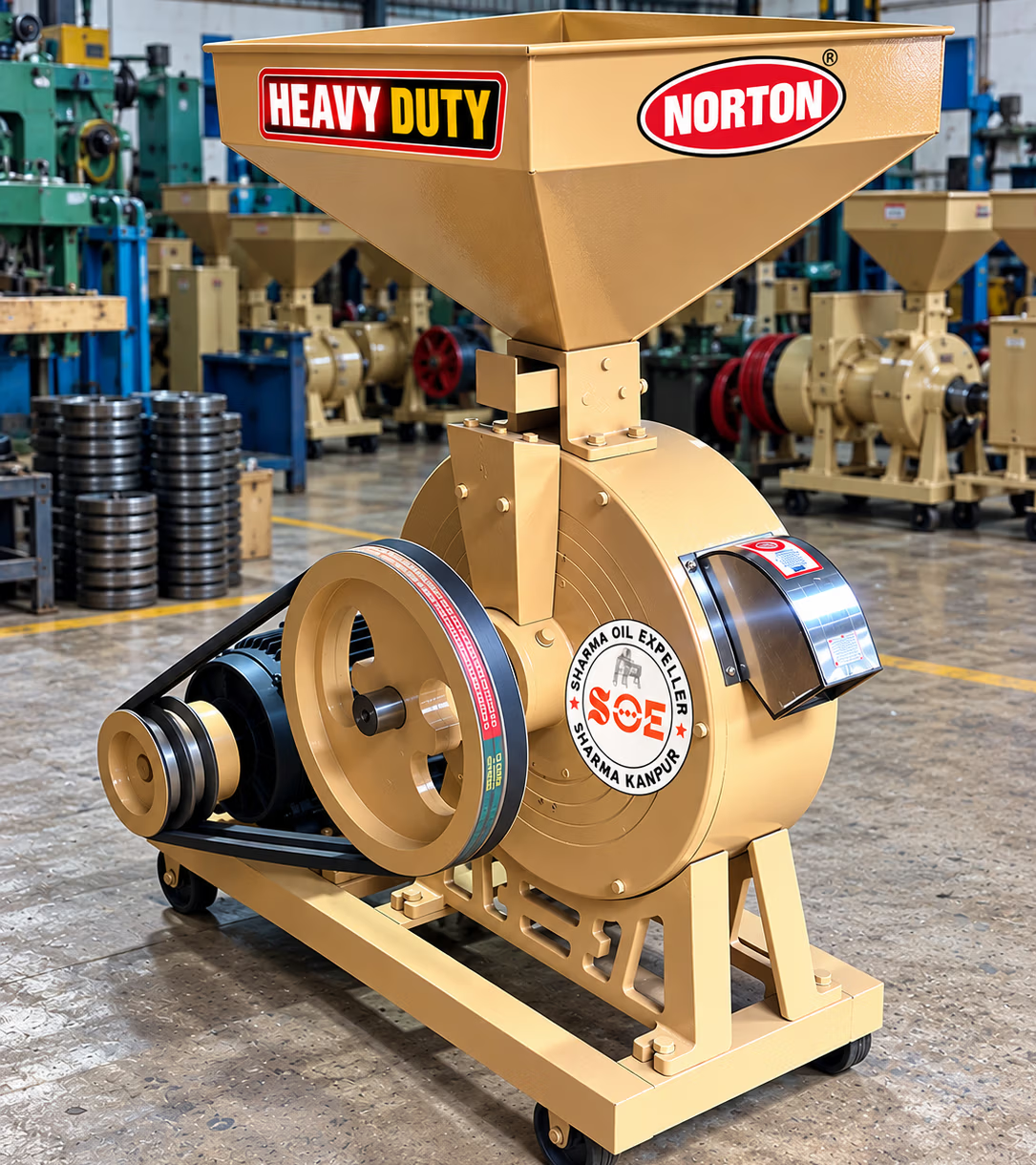
Diamond Cutter Atta Chakki 12X12
Diamond Cutter Atta Chakki have Norton Original Patthar, Not require Takaai for almost 1 year. Suitable for Atta (Flour), Masala, Dalia, Besan etc. Capacity is 30 to 35 kg per hour.
Contact Us
Diamond Cutter Atta Chakki 14X14
Diamond Cutter Atta Chakki have Norton Original Patthar, Not require Takaai for almost 1 year. Suitable for Atta (Flour), Masala, Dalia, Besan etc. Capacity is 50 to 55 kg per hour.
Contact Us
Diamond Cutter Atta Chakki 16X16
Diamond Cutter Atta Chakki have Norton Original Patthar, Not require Takaai for almost 1 year. Suitable for Atta (Flour), Masala, Dalia, Besan etc. Capacity is 100 to 110 kg per hour.
Contact Us
Diamond Cutter Atta Chakki 18X18
Diamond Cutter Atta Chakki have Norton Original Patthar, Not require Takaai for almost 1 year. Suitable for Atta (Flour), Masala, Dalia, Besan etc. Capacity is 130 to 140 kg per hour.
Contact Us
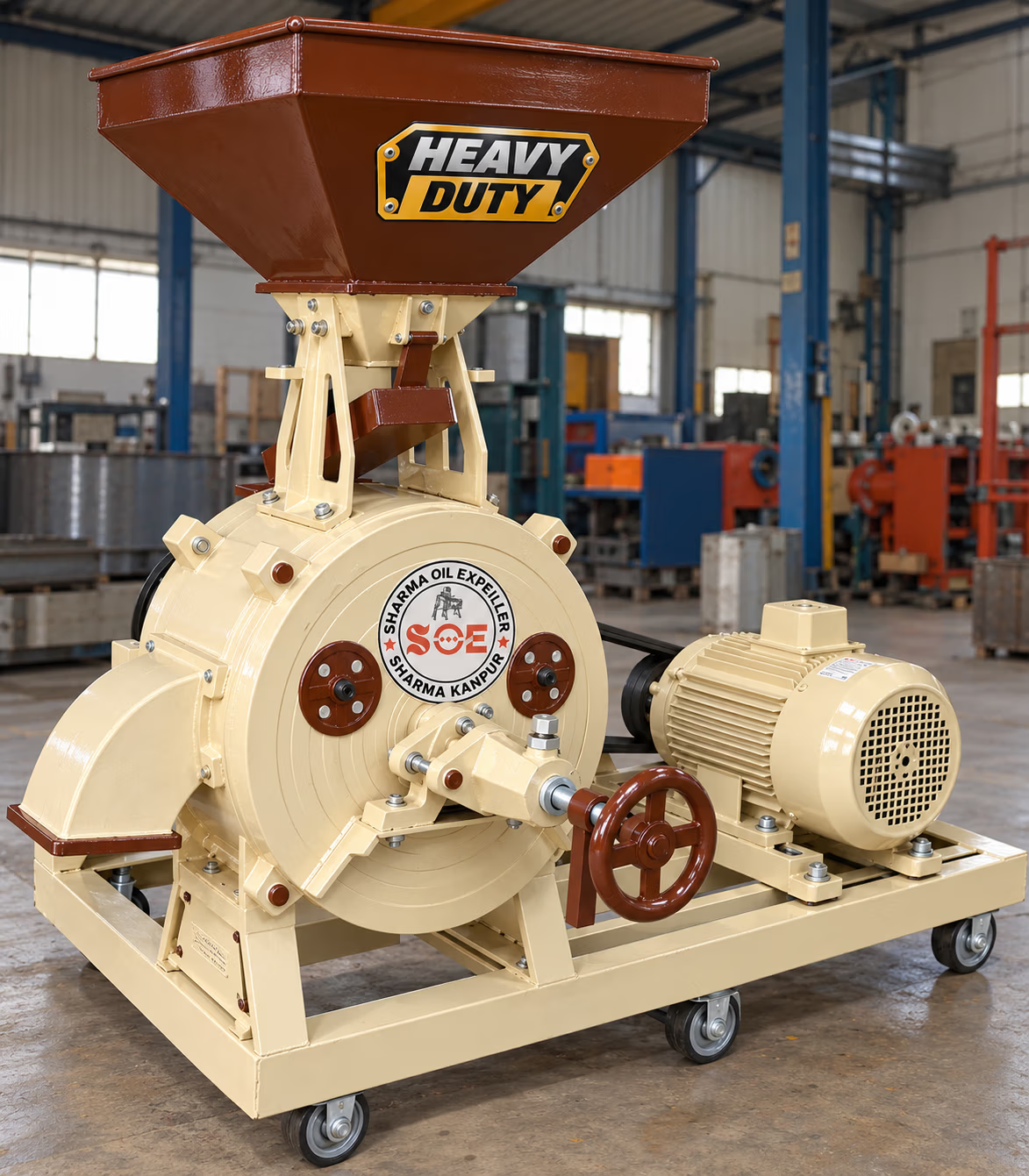
Atta Chakki Vertical Khadi 12X12
Atta Chakki Vertical Khadi have Original Emery Stone Patthar. Suitable for Atta (Flour), Masala, Dalia, Besan etc. Capacity is 30 to 35 kg per hour.
Contact Us
Atta Chakki Vertical Khadi 14X14
Atta Chakki Vertical Khadi have Original Emery Stone Patthar. Suitable for Atta (Flour), Masala, Dalia, Besan etc. Capacity is 45 to 50 kg per hour.
Contact Us
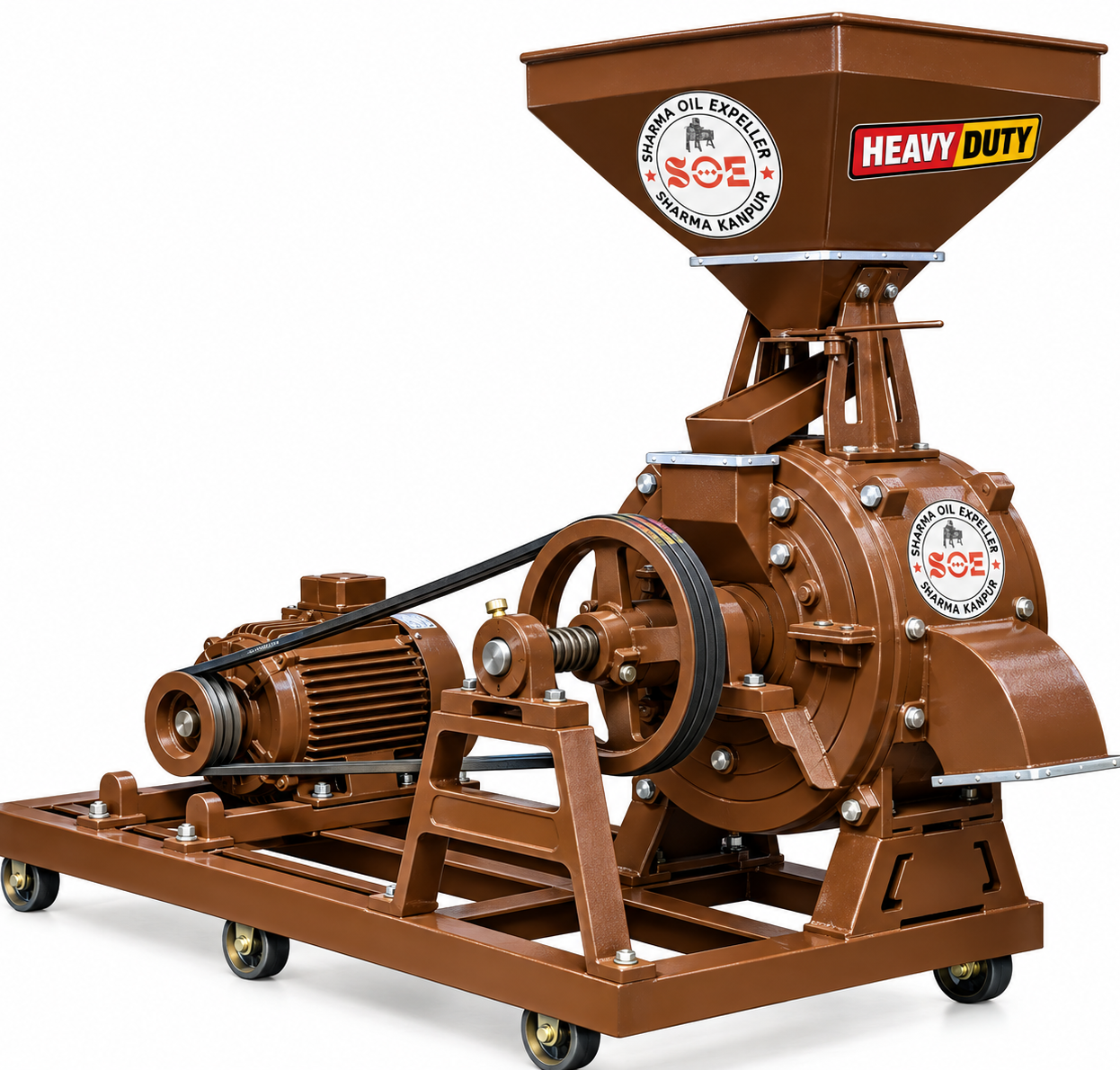
Atta Chakki Vertical Khadi 16X16
Atta Chakki Vertical Khadi have Original Emery Stone Patthar. Suitable for Atta (Flour), Masala, Dalia, Besan etc. Capacity is 80 to 85 kg per hour.
Contact Us
Atta Chakki Vertical Khadi 18X18
Atta Chakki Vertical Khadi have Original Emery Stone Patthar. Suitable for Atta (Flour), Masala, Dalia, Besan etc. Capacity is 120 to 130 kg per hour.
Contact Us
Atta Chakki Vertical Khadi 20X20
Atta Chakki Vertical Khadi have Original Emery Stone Patthar. Suitable for Atta (Flour), Masala, Dalia, Besan etc. Capacity is 160 to 170 kg per hour.
Contact Us
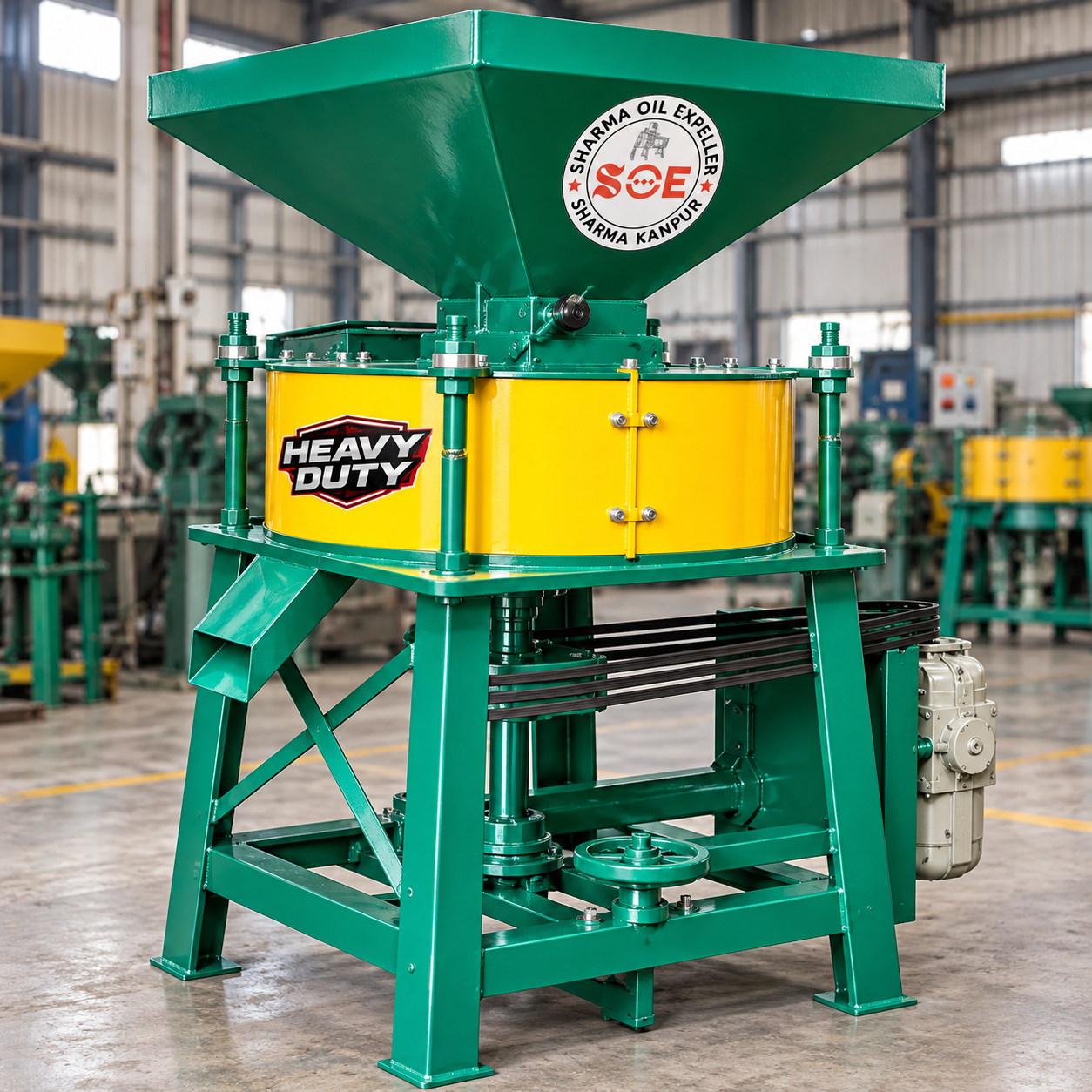
Atta Chakki Pat Wali 12X12
Atta Chakki Vertical Khadi have Original Emery Stone Patthar. Suitable for Atta (Flour), Masala, Dalia, Besan etc. Capacity is 35 to 40 kg per hour.
Contact Us
Atta Chakki Pat Wali 14X14
Atta Chakki Vertical Khadi have Original Emery Stone Patthar. Suitable for Atta (Flour), Masala, Dalia, Besan etc. Capacity is 50 to 55 kg per hour.
Contact Us
Atta Chakki Pat Wali 16X16
Atta Chakki Vertical Khadi have Original Emery Stone Patthar. Suitable for Atta (Flour), Masala, Dalia, Besan etc. Capacity is 95 to 100 kg per hour.
Contact Us
Atta Chakki Pat Wali 18X18
Atta Chakki Vertical Khadi have Original Emery Stone Patthar. Suitable for Atta (Flour), Masala, Dalia, Besan etc. Capacity is 140 to 150 kg per hour.
Contact Us
Atta Chakki Pat Wali 20X20
Atta Chakki Vertical Khadi have Original Emery Stone Patthar. Suitable for Atta (Flour), Masala, Dalia, Besan etc. Capacity is 170 to 180 kg per hour.
Contact Us
Atta Chakki Pat Wali 24X24
Atta Chakki Vertical Khadi have Original Emery Stone Patthar. Suitable for Atta (Flour), Masala, Dalia, Besan etc. Capacity is 220 to 230 kg per hour.
Contact Us
Sharma Oil Expeller - Atta Chakki Running Videos
Introduction: What Is an Atta Chakki Machine?
An atta chakki machine is a grain grinding machine used to convert wheat and other suitable grains into flour. In India, atta chakki machines are an important part of everyday life because wheat flour is used to prepare chapatis, rotis, parathas, puris, and many other traditional foods. From small households and grocery stores to commercial flour mills and food processing businesses, these machines help make grain processing faster and more convenient.
A good atta chakki does much more than grind wheat. It helps businesses provide customers with freshly ground flour, process different types of grains, maintain consistent output, and reduce dependence on outside flour suppliers. For entrepreneurs, setting up an atta chakki business can also be an opportunity to serve local households, restaurants, hotels, retailers, and food businesses.
Sharma Oil Expeller sells different types of atta chakki and flour mill machines, including Diamond Cutter Atta Chakki, Vertical Atta Chakki, and Pat Wali Atta Chakki. The company also offers other food-processing machinery for customers looking to establish or expand their processing businesses.
Whether you want to start a small flour grinding shop, expand an existing flour mill, or purchase a commercial atta chakki for regular production, selecting the right machine is an important decision. The ideal machine depends on your daily grinding requirements, the grains you want to process, the available space, the electricity connection, and your budget.
Why Is an Atta Chakki Important for Homes and Businesses?
Freshly ground flour remains popular across India because customers can choose their preferred wheat, grain mixture, and flour texture. An atta chakki gives households and businesses greater control over the grinding process.
For a small business owner, an atta chakki is a practical machine for offering grain grinding services. Customers can bring their wheat or other suitable grains and get them processed according to their requirements. For a commercial flour mill, the machine becomes a central part of daily production.
1. Fresh Flour Whenever Required
One of the biggest advantages of having an atta chakki is the ability to grind grains when needed. Households can process small quantities for daily cooking, while commercial operators can grind larger quantities according to customer demand.
2. Suitable for Different Grains
Depending on the machine design and manufacturer's recommendations, an atta chakki may be suitable for grinding wheat, maize, jowar, bajra, rice, selected pulses, and other compatible materials.
Not every machine is suitable for every material. Before grinding pulses, spices, or harder grains, confirm that the stone, motor, and grinding chamber are appropriate for the intended application.
3. Useful for Starting a Small Business
An atta chakki can be used to establish a local grain grinding service. A business owner may serve nearby households, grocery stores, restaurants, food vendors, and small food manufacturers. The potential of a flour milling business depends on local demand, competition, operating expenses, electricity costs, labour requirements, and the price charged per kilogram.
4. Different Models for Different Production Needs
Not every customer needs a large industrial flour mill. A small shop may need a compact machine, while a busy commercial flour mill may require a higher-capacity model.
Sharma Oil Expeller offers different types and sizes of atta chakki machines, helping customers compare equipment according to their intended use and production requirements.
Types of Atta Chakki Machines Available at Sharma Oil Expeller
Choosing an atta chakki becomes easier when you understand the differences between the available designs. The three main categories discussed here are Diamond Cutter Atta Chakki, Vertical Atta Chakki, and Pat Wali Atta Chakki.
1. Diamond Cutter Atta Chakki Machine
A Diamond Cutter Atta Chakki is a type of flour grinding machine designed around a specialised grinding stone. It is used for processing wheat and other compatible grains into flour. Depending on the model and configuration, this type of machine may be suitable for small commercial flour mills, grain grinding shops, and other food-processing applications.
For a business owner, the most important considerations are grinding performance, stone durability, ease of operation, output consistency, and the cost of maintaining the equipment over time.
Features of a Diamond Cutter Atta Chakki
- Specialised grinding stone: The grinding stone is an important component of the machine. Its material, design, condition, and suitability for the grain affect grinding performance.
- Multiple machine sizes: Different sizes allow customers to select equipment according to the amount of grain they expect to process.
- Suitable for commercial grinding: Depending on its capacity and configuration, a Diamond Cutter Atta Chakki can support regular grain grinding for local customers.
- Maintenance considerations: Proper care and maintenance can help maintain consistent performance and extend the useful life of machine components.
- Versatile applications: Compatible models may be used for wheat flour and selected other materials specified by the manufacturer.
Diamond Cutter Atta Chakki Models and Capacities
| Machine Model | Listed Grinding Capacity |
|---|---|
| Diamond Cutter Atta Chakki 12 × 12 | 30–35 kg/hour |
| Diamond Cutter Atta Chakki 14 × 14 | 50–55 kg/hour |
| Diamond Cutter Atta Chakki 16 × 16 | 100–110 kg/hour |
| Diamond Cutter Atta Chakki 18 × 18 | 130–140 kg/hour |
Capacities are indicative and should be confirmed with Sharma Oil Expeller. Actual output may vary according to grain type, moisture content, flour fineness, machine configuration, and operating conditions.
Diamond Cutter Atta Chakki 12 × 12
The 12 × 12 Diamond Cutter Atta Chakki is a smaller model in this commercial range. With a listed capacity of approximately 30–35 kg per hour, it may be worth considering for a small flour grinding shop or an operation with moderate customer demand.
Before selecting this model, estimate how many kilograms you expect to grind during your busiest hours. A machine that meets average demand but struggles during peak periods may slow customer service.
Diamond Cutter Atta Chakki 14 × 14
The 14 × 14 model has a listed grinding capacity of approximately 50–55 kg per hour. It may be appropriate for businesses expecting more work than a smaller machine can comfortably handle.
Diamond Cutter Atta Chakki 16 × 16
The 16 × 16 Diamond Cutter Atta Chakki is listed with an approximate capacity of 100–110 kg per hour. It may be suitable for customers looking for higher production than the smaller models offer.
Before buying a machine of this size, verify the motor specification, electricity requirements, installation space, ventilation, and expected flour output for your preferred grain.
Diamond Cutter Atta Chakki 18 × 18
The 18 × 18 model is listed with an approximate capacity of 130–140 kg per hour. It is worth evaluating for a higher-volume flour grinding operation, subject to confirming its specifications and your actual production needs.
Who Should Consider a Diamond Cutter Atta Chakki?
- Owners of local atta chakki and grain grinding shops.
- Businesses looking to expand existing flour milling capacity.
- Customers who need a stone-based machine for regular grain grinding.
- Entrepreneurs comparing different stone grinding technologies.
- Commercial operators who need a machine matched to their expected hourly output.
2. Vertical Atta Chakki Machine
A Vertical Atta Chakki is a flour grinding machine built around a vertical-format grinding arrangement. Sharma Oil Expeller offers Vertical Khadi Atta Chakki models in several sizes for different production requirements.
Vertical Atta Chakki machines are an option for operators who want a traditional stone grinding arrangement for processing wheat and other compatible materials. Depending on the model, they may be used by small flour mills, village grinding centres, local shops, and commercial grain processors.
A machine's vertical arrangement is only one part of the buying decision. Motor power, stone dimensions, construction quality, output, operating speed, and access for cleaning and maintenance are equally important.
Main Features of a Vertical Atta Chakki
- Vertical grinding arrangement: The machine uses a vertical-format grinding design. Customers should compare the actual dimensions with their available workspace.
- Stone-based grain grinding: Stone quality and condition influence the grinding process and should be maintained according to the manufacturer's instructions.
- Different capacity options: Several machine sizes allow operators to compare smaller and larger models.
- Suitable for routine flour production: Depending on its specifications, a vertical chakki can be used for regular grinding work in a commercial flour mill.
- Multiple potential applications: Confirm whether your particular model is appropriate for each intended grain or material.
Vertical Atta Chakki Models and Capacities
| Machine Model | Listed Grinding Capacity |
|---|---|
| Vertical Khadi 12 × 12 | 30–35 kg/hour |
| Vertical Khadi 14 × 14 | 45–50 kg/hour |
| Vertical Khadi 16 × 16 | 80–85 kg/hour |
| Vertical Khadi 18 × 18 | 120–130 kg/hour |
| Vertical Khadi 20 × 20 | 160–170 kg/hour |
These figures are approximate published capacities and should be verified for the selected model before purchasing.
Vertical Atta Chakki 12 × 12
The 12 × 12 Vertical Atta Chakki has a listed capacity of approximately 30–35 kg per hour. It may suit a small flour grinding business with a relatively modest daily workload.
Vertical Atta Chakki 14 × 14
The 14 × 14 model is listed with a capacity of approximately 45–50 kg per hour. It offers an intermediate option for operators who need more output than a smaller machine provides.
Vertical Atta Chakki 16 × 16
With a listed capacity of approximately 80–85 kg per hour, the 16 × 16 model may suit a business that handles a steady flow of grain throughout the day.
Vertical Atta Chakki 18 × 18
The 18 × 18 Vertical Atta Chakki is listed with a capacity of approximately 120–130 kg per hour. It may be suitable for a larger flour grinding operation with higher throughput requirements.
Vertical Atta Chakki 20 × 20
The 20 × 20 model has a listed capacity of approximately 160–170 kg per hour. It may be worth evaluating for high-volume grain grinding, subject to confirming its specifications and electrical requirements.
Benefits of Choosing the Right Vertical Flour Mill
A properly selected vertical atta chakki can help an operator organise grain grinding more efficiently. Matching the machine with the required output may help reduce unnecessary waiting, improve workflow, and make daily production easier to manage.
Customers should also compare the total cost of ownership, including the machine purchase price, electrical installation, regular servicing, stone maintenance, labour, and other operating expenses.
3. Pat Wali Atta Chakki Machine
A Pat Wali Atta Chakki is another style of flour grinding machine used for processing grains into flour. It is often considered by customers looking for a traditional chakki-style grinding setup for a flour mill or grain processing business.
The name can refer to a particular local machine design, so buyers should confirm the exact construction and arrangement with the supplier rather than assuming that every Pat Wali machine is identical.
Sharma Oil Expeller offers Pat Wali Atta Chakki models in several sizes, from 12 × 12 to 24 × 24, giving customers options for different grinding requirements.
Main Features of Pat Wali Atta Chakki
- Traditional grinding format: This machine category appeals to operators looking for a conventional flour milling setup.
- Multiple size options: Different sizes provide flexibility when matching a machine to a shop's expected production.
- Useful for flour grinding businesses: Depending on its configuration, a Pat Wali machine can be considered for local atta shops and commercial grain grinding operations.
- Potential for higher output: Larger models have higher nominal capacities, although actual performance must be confirmed.
- Multiple applications: Confirm material suitability for the specific model before processing anything other than its intended grain.
Pat Wali Atta Chakki Models and Capacities
| Machine Model | Listed Grinding Capacity |
|---|---|
| Pat Wali 12 × 12 | 35–40 kg/hour |
| Pat Wali 14 × 14 | 50–55 kg/hour |
| Pat Wali 16 × 16 | 95–100 kg/hour |
| Pat Wali 18 × 18 | 140–150 kg/hour |
| Pat Wali 20 × 20 | 170–180 kg/hour |
| Pat Wali 24 × 24 | 220–230 kg/hour |
These are approximate listed capacities. Actual performance depends on grain properties, flour fineness, machine setup, and operating conditions.
Pat Wali Atta Chakki 12 × 12
The 12 × 12 model has a listed capacity of approximately 35–40 kg per hour. It may be appropriate for a small flour grinding shop that needs a practical machine for regular local demand.
Pat Wali Atta Chakki 14 × 14
The 14 × 14 model is listed with a capacity of approximately 50–55 kg per hour. It may suit a growing flour grinding business or an operator looking for a machine that can handle a moderate volume of work.
Pat Wali Atta Chakki 16 × 16
With a listed capacity of approximately 95–100 kg per hour, the 16 × 16 model may be worth considering for a busier commercial operation.
Pat Wali Atta Chakki 18 × 18
The 18 × 18 Pat Wali Atta Chakki is listed with an approximate capacity of 140–150 kg per hour. It may be an option for a flour mill that needs to process larger quantities during its working day.
Pat Wali Atta Chakki 20 × 20
The 20 × 20 model has a listed capacity of approximately 170–180 kg per hour. It may suit a higher-volume business that regularly processes grain for multiple customers.
Pat Wali Atta Chakki 24 × 24
The 24 × 24 Pat Wali Atta Chakki is listed with a capacity of approximately 220–230 kg per hour. It may be worth evaluating for a large commercial flour mill or a grain grinding operation that needs substantial throughput.
Who Should Consider a Pat Wali Atta Chakki?
- Entrepreneurs planning to establish or expand a flour grinding business.
- Customers looking for a traditional-style grain grinding machine.
- Businesses comparing multiple sizes and output capacities.
- Commercial operators processing substantial quantities of wheat or other compatible grains.
- Customers who want to select equipment according to their daily production target.
Diamond Cutter vs Vertical vs Pat Wali Atta Chakki: Which Is Better?
Customers often ask which type of atta chakki is best for their business. The answer depends on the intended use, production target, preferred grinding arrangement, budget, and maintenance requirements.
There is no single machine that is automatically best for every flour mill. A smaller machine can be more practical for a neighbourhood shop, while a larger machine may be more appropriate for a business handling substantial daily volumes.
| Feature | Diamond Cutter | Vertical Atta Chakki | Pat Wali Atta Chakki |
|---|---|---|---|
| Grinding arrangement | Specialised stone-based design | Vertical-format stone grinding | Traditional Pat-style grinding |
| Listed model sizes | 12, 14, 16, 18 | 12, 14, 16, 18, 20 | 12, 14, 16, 18, 20, 24 |
| Listed capacity range | 30–140 kg/hour | 30–170 kg/hour | 35–230 kg/hour |
| Potential applications | Small to higher-volume flour grinding | Small to higher-volume flour grinding | Small to high-volume flour grinding |
| Main selection factor | Stone type and required output | Layout, stone arrangement and output | Machine configuration and required output |
The table reflects the published product range, not a controlled performance comparison. Model availability and specifications should be confirmed with Sharma Oil Expeller before ordering.
Which Atta Chakki Is Best for a Small Flour Mill?
If you are starting a small flour grinding business, begin by estimating the number of customers you expect to serve each day. A machine with an appropriate capacity can help you manage the workload without paying for more production capability than you need.
Compare the Diamond Cutter 12 × 12, Vertical 12 × 12, and Pat Wali 12 × 12 models. Ask for a quotation that includes the machine configuration, motor details, installation requirements, and applicable warranty.
Which Atta Chakki Is Suitable for Higher Production?
For a business expecting a larger daily workload, compare the higher-capacity sizes across all three categories.
The published range includes a 20 × 20 Vertical Atta Chakki with a listed capacity of 160–170 kg per hour and a 24 × 24 Pat Wali Atta Chakki with a listed capacity of 220–230 kg per hour. These figures are starting points for comparison, not guarantees of real-world output.
If possible, request a demonstration using the grain you plan to process. This is a practical way to understand the machine's output, flour texture, and suitability for your intended workload.
4. What Can You Grind in an Atta Chakki?
An atta chakki is primarily associated with wheat flour, but some models can process other grains and dry materials. The precise applications depend on the machine's grinding stone, motor, design, and manufacturer-approved operating conditions.
Wheat Flour
Wheat is the most common grain processed in an atta chakki. The machine grinds wheat into flour for chapatis, rotis, parathas, and other foods. For a flour mill business, consistent output and the ability to adjust flour texture to customer preferences are important considerations.
Maize and Corn
Suitable flour grinding machines can process maize or corn into flour for different food preparations. Confirm that the selected machine is appropriate for the grain and its required texture.
Jowar and Bajra
Jowar and bajra are used in traditional Indian diets. Customers may want these grains ground separately or processed as part of a selected flour blend. If your business plans to offer millet flour, discuss the required grinding characteristics with the supplier before choosing a machine.
Rice Flour
Rice flour is used in snacks, batters, traditional recipes, and other food products. Not every atta chakki is designed for every rice grinding requirement, so confirm compatibility before processing rice.
Besan and Selected Pulses
Besan is chickpea flour commonly used in Indian cooking. Some grinding machines can process suitable pulses, but the equipment must be compatible with the material and intended flour quality.
Dalia and Other Grain Products
Some flour milling configurations can process grains into coarser products such as dalia. The resulting texture depends on the machine design, settings, and processing method.
Masala and Dry Spices
Certain machines can also grind selected spices. However, spices may have different hardness, oil content, aroma, and cleaning requirements compared with wheat.
For commercial spice processing, a dedicated masala chakki or pulverizer may be more suitable. Sharma Oil Expeller also offers other food-processing machinery for customers looking to expand their product range.
5. Atta Chakki for Starting a Flour Mill Business
Starting a flour mill business can be an appealing opportunity for entrepreneurs who understand their local market. People need flour for everyday cooking, and many households prefer to have their own wheat ground rather than purchase only packaged flour.
However, a successful flour mill requires more than buying a machine. The business owner must consider location, customer demand, electricity, grain handling, hygiene, pricing, maintenance, and working capital.
Step 1: Understand Local Demand
Before investing, find out how many households and businesses in your area use local flour grinding services. Speak with potential customers and nearby grocery shops. Ask about their preferred grain types, average quantities, typical grinding charges, and expectations regarding flour quality.
Step 2: Choose the Right Machine Capacity
Once you have an approximate daily workload, compare the capacities of available atta chakki machines. A shop expecting a relatively small volume may operate efficiently with a smaller model. A business serving multiple retailers or processing larger quantities may need a higher-capacity machine.
Do not select a machine solely because its advertised capacity is higher. Consider whether you have enough demand to use that capacity productively.
Step 3: Plan the Total Investment
Your budget should include more than the machine purchase price. Consider the following expenses:
- Atta chakki machine and grinding stone.
- Motor and compatible electrical equipment, if not included.
- Installation and transportation.
- Wiring, electrical protection, and any required upgrades.
- Shop rent or workspace preparation.
- Weighing scales, grain containers, and storage.
- Labour and routine maintenance.
- Cleaning supplies and other operating expenses.
- Business registration and applicable compliance costs.
Ask the supplier which components are included in the quotation and which need to be purchased separately.
Step 4: Select a Suitable Location
A flour grinding shop should be accessible to customers and have enough room for the machine, grain storage, flour collection, and safe movement around the equipment.
Consider ventilation, dust control, electrical safety, and ease of cleaning. The machine should be installed on a suitable surface and operated according to the manufacturer's instructions.
Step 5: Calculate Operating Costs
Electricity, labour, rent, maintenance, and other recurring expenses influence profitability. Record the amount of grain processed, operating hours, electricity consumption, service charges, and daily revenue. Over time, these records will help you understand the actual cost of running your business.
Step 6: Build Customer Trust
A flour mill often depends on repeat customers. Clean handling, transparent weighing, consistent service, and reliable operating hours can help build long-term relationships.
You can also promote your services through local referrals, a Google Business Profile, WhatsApp, and social media.
Step 7: Expand According to Demand
Once your existing machine is consistently busy, consider whether a higher-capacity machine or an additional product line would be worthwhile. Depending on the local market, possible additions include grain processing, suitable spice grinding, or other food-processing services.
6. How to Choose the Right Atta Chakki Machine
Grinding Capacity
Capacity is one of the most important specifications. Ask how many kilograms per hour the machine can process with your preferred grain and flour texture. Remember that a published capacity may differ from the actual output achieved in your operating conditions.
Grinding Stone Quality
The grinding stone influences how the machine processes grains. Ask about the stone material, expected service life, adjustment requirements, replacement availability, and maintenance procedure.
Motor Power
Motor power must be appropriate for the machine's design and expected workload. Confirm the motor rating, starting requirements, compatible electrical supply, and whether the motor is included in the quotation.
Electricity Connection
Some machines require a single-phase supply, while larger commercial models may require three-phase electricity. Do not assume that a machine will work with your existing connection. Ask for the exact electrical specifications before purchasing.
Machine Construction
Check the frame, grinding chamber, shaft, bearings, guards, and other components. The construction should be appropriate for the expected operating conditions. For commercial use, easy access for inspection and maintenance can also be valuable.
Ease of Cleaning
Flour milling equipment should be cleaned appropriately to prevent material build-up and unwanted cross-contamination. If you intend to grind different grains or spices, ask about the cleaning procedure between materials.
Spare Parts and Service
Before placing an order, enquire about spare parts, maintenance guidance, warranty coverage, and the process for obtaining support. Understanding these details before installation can help you plan for the machine's long-term operation.
Price and Overall Value
The cheapest machine is not always the most economical option over its useful life. Compare the purchase price with capacity, build quality, maintenance, power requirements, warranty, and expected service support.
7. Sharma Oil Expeller: Your Destination for Atta Chakki and Flour Mill Machines
Sharma Oil Expeller is a machinery business based in Kanpur, Uttar Pradesh, India. The company offers equipment for customers involved in oil processing, grain milling, and related food-processing activities.
For customers looking for atta chakki machines, the product range includes:
- Diamond Cutter Atta Chakki.
- Vertical Khadi Atta Chakki.
- Pat Wali Atta Chakki.
- Multiple machine sizes for different grinding requirements.
- Rice mill machines.
- Masala chakki and pulverizer machines.
- Other machinery for food processing and small industrial operations.
This range gives customers the opportunity to explore more than one type of equipment through the same supplier. Depending on the customer's requirements, Sharma Oil Expeller can be contacted to enquire about machine availability, specifications, pricing, and other purchase details.
Why Contact Sharma Oil Expeller?
- A range of machine options: Customers can compare Diamond Cutter, Vertical, and Pat Wali atta chakki designs.
- Different production capacities: The published models cover a range of nominal output levels.
- Additional food-processing equipment: The company also offers other machinery, including rice mill and masala grinding equipment.
- Product enquiries: Customers can request details about a particular model, its configuration, and its suitability for a proposed application before purchasing.
For the latest model information, visit the official Sharma Oil Expeller website.
8. Commercial Flour Mill Machine for Growing Businesses
A commercial flour mill machine is designed to support grain grinding for businesses that process larger quantities than a typical household requires. These machines may be used in independent flour mills, grain processing shops, food production units, and other businesses that need regular flour production.
The right commercial flour mill should provide an appropriate balance between output, grinding quality, operating costs, and maintenance requirements.
Applications of Commercial Flour Mill Machines
- Local atta chakki shops: These businesses grind wheat and other compatible grains for customers in their surrounding areas.
- Grocery stores: A grocery shop may add grain grinding as an additional service where local demand supports it.
- Food processing businesses: Suitable flour mills can support the preparation of grain-based ingredients used in food production.
- Hotels and restaurants: Businesses that use substantial quantities of flour may evaluate on-site grinding if it is practical for their operations.
- Small-scale food entrepreneurs: Entrepreneurs producing grain-based products may need a machine that fits their production schedule and available workspace.
- Agricultural businesses: Farmers and grain traders may consider grinding equipment when processing their own grain or serving customers in their local market.
How Much Capacity Do You Need?
A simple way to estimate your required machine capacity is to divide your expected daily grinding quantity by the number of hours you can realistically operate the machine.
For example, if you plan to grind 400 kg of grain per day over an eight-hour working period, your average production requirement is 50 kg per hour.
This does not mean a machine advertised at exactly 50 kg per hour will always be sufficient. Actual output can vary, and time is also required for loading, cleaning, adjustments, and other activities. A suitable capacity allowance can help accommodate busy periods and interruptions.
Before purchasing a commercial flour mill machine from Sharma Oil Expeller, discuss your daily production target and intended working hours with the supplier.
9. Maintenance Tips for Longer Machine Life
Regular maintenance helps keep an atta chakki operating safely and consistently. The maintenance schedule depends on the machine model, operating hours, grinding stone, and materials being processed.
Clean the Machine Regularly
Remove accumulated flour and grain residue according to the manufacturer's cleaning instructions. Switch off and isolate the electrical supply before cleaning or carrying out maintenance. Never reach into a moving grinding chamber.
Inspect the Grinding Stone
Check the stone for wear, damage, or other signs that maintenance may be required. Follow the manufacturer's instructions for adjustment, dressing, or replacement.
Check Bearings and Moving Components
Bearings, belts, shafts, and other moving parts should be inspected according to the recommended service schedule. Unusual noise, excessive vibration, or a sudden change in performance should be investigated before continued operation.
Follow the Recommended Operating Load
Avoid feeding grain faster than the machine can process it. Overloading may affect performance and increase stress on components. Use the feed rate and operating procedure specified for the selected machine.
Keep the Electrical System Safe
Ensure that wiring, earthing, electrical protection, and motor connections are suitable for the equipment. Electrical inspection and repairs should be carried out by a qualified person.
Maintain a Service Record
For a commercial flour mill, recording operating hours, maintenance activities, stone changes, and repairs can help identify recurring problems and plan servicing.
10. Food Safety and Flour Quality
Good flour production starts with suitable raw materials and proper handling. The quality of the grain, its moisture content, the grinding process, and storage conditions can all affect the final product.
Before grinding, remove unsuitable foreign materials and ensure the grain is appropriate for the machine. Follow the recommended feeding and grinding procedures to obtain the required flour texture.
Finished flour should be collected in clean containers and stored in a dry, suitable environment. Protect it from moisture, pests, and contamination.
If you operate a commercial flour milling business in India, check the food safety, registration, and other regulatory requirements applicable to your business and products.
A well-maintained atta chakki, combined with appropriate grain handling and hygienic storage, can help a flour mill deliver a more consistent service to its customers.
11. Understanding Atta Chakki Price in India
The price of an atta chakki machine in India varies according to its size, grinding technology, motor power, construction, capacity, and included accessories.
A smaller machine and a high-capacity commercial flour mill serve different purposes, so comparing them on price alone can be misleading.
Factors That Influence Atta Chakki Price
- Machine size: Larger grinding assemblies may have different construction and installation requirements.
- Grinding stone: Stone material, dimensions, and design can affect the machine configuration.
- Motor and electrical components: Check whether the motor and electrical accessories are included.
- Production capacity: Higher-capacity machines may require more substantial drive systems and supporting infrastructure.
- Construction and components: Frame quality, shafts, bearings, and other components influence the equipment specification.
- Transportation and installation: Delivery, installation, and site preparation may add to the overall cost.
- Warranty and service: Clarify what is covered, for how long, and under which conditions.
How to Get the Right Atta Chakki Quotation
When contacting Sharma Oil Expeller, share the following information:
- Your preferred machine type: Diamond Cutter, Vertical, or Pat Wali.
- Your expected grinding capacity in kilograms per hour.
- The grain or materials you want to process.
- Your available electricity connection.
- Whether you need a motor and other accessories included.
- Your delivery location and installation requirements.
This information will help the supplier understand your needs and provide a more relevant quotation.
For current pricing and product details, contact the company through the official Sharma Oil Expeller website.
12. Is an Atta Chakki Business Profitable?
An atta chakki business can generate income when there is sufficient local demand and operating expenses are managed carefully. However, profitability is not guaranteed and varies from one location to another.
The business may earn revenue by charging customers for grinding their grain. Some operators may also sell packaged flour, subject to the relevant business and food safety requirements.
Factors That Influence Profitability
- Local demand: The number of customers and the amount of grain they bring determine how much work the business can attract.
- Grinding charges: Pricing should reflect local competition, operating costs, and the service offered.
- Electricity expenses: The motor's power rating, actual load, operating hours, and electricity tariff influence the cost per kilogram.
- Labour and rent: These recurring expenses can have a significant impact on the business.
- Machine maintenance: Routine servicing, stone maintenance, and replacement parts should be included in financial planning.
- Competition: Nearby flour mills may influence customer expectations and the price you can charge.
- Machine utilisation: A high-capacity machine may not provide good value if customer demand is too low to use it effectively.
Example of a Simple Revenue Calculation
Suppose a flour grinding business processes 300 kg of grain per day and charges ₹5 per kg for grinding.
- Daily grinding quantity: 300 kg.
- Grinding charge: ₹5 per kg.
- Gross daily grinding revenue: ₹1,500.
If the shop operates for 26 days, the gross monthly grinding revenue would be ₹39,000.
This is gross revenue, not net profit. Electricity, rent, labour, repairs, taxes, and other expenses must be deducted to calculate actual profit. This example is illustrative and is not a forecast of earnings for any particular machine or location.
13. Why Choosing the Right Supplier Matters
Purchasing an atta chakki is an important decision for anyone starting or expanding a flour milling business. A supplier should be able to explain the machine's intended applications, specifications, installation requirements, and maintenance needs.
Before placing an order, ask for a detailed quotation and confirm:
- The exact model and machine size.
- Grinding stone material and dimensions.
- Motor power and electricity requirements.
- Expected capacity for your intended grain.
- Included accessories and optional components.
- Delivery time and installation arrangements.
- Warranty terms and service availability.
- Availability of spare parts and maintenance support.
It is also useful to compare the total purchase and operating costs of different machines. This makes it easier to select equipment that fits your budget and business goals.
Sharma Oil Expeller's product range includes Diamond Cutter Atta Chakki, Vertical Atta Chakki, and Pat Wali Atta Chakki, along with other food-processing machines. Customers can contact the company to discuss their requirements and request current product details.
Frequently Asked Questions About Atta Chakki Machines
1. What is an atta chakki machine?
An atta chakki is a machine used to grind wheat and other compatible grains into flour. It is commonly used in homes, local flour grinding shops, commercial flour mills, and food processing businesses.
2. Which types of atta chakki does Sharma Oil Expeller sell?
Sharma Oil Expeller offers Diamond Cutter Atta Chakki, Vertical Khadi Atta Chakki, and Pat Wali Atta Chakki in different sizes. The company also offers other food-processing machinery.
3. What is a Diamond Cutter Atta Chakki?
A Diamond Cutter Atta Chakki is a stone-based grain grinding machine designed to process compatible grains into flour. The appropriate model depends on the required output, grinding stone, motor configuration, and intended application.
4. What is the difference between a Vertical Atta Chakki and a Pat Wali Atta Chakki?
The two categories refer to different machine designs and grinding arrangements. The exact construction, dimensions, stone arrangement, and motor requirements should be compared for the specific models being considered.
5. What is the capacity of an atta chakki machine?
Capacity varies according to machine size, design, grain type, and required flour fineness. The published Sharma Oil Expeller range includes models with nominal capacities from approximately 30 kg per hour to over 200 kg per hour across different atta chakki categories. Confirm the capacity of the specific model before ordering.
6. Can an atta chakki grind materials other than wheat?
Some machines can process maize, millet, rice, selected pulses, and other compatible materials. Suitability depends on the machine design and the manufacturer's recommendations. Confirm compatibility before grinding different materials.
7. Which atta chakki is suitable for a small business?
A smaller model may be appropriate for a business with modest customer demand, while a higher-capacity model may suit a busier flour mill. Estimate your daily workload and compare the available models before purchasing.
8. Is an atta chakki suitable for commercial use?
Yes, commercial atta chakki machines are used in local grinding shops and larger flour milling operations. The appropriate machine depends on the production target, electrical supply, available space, and intended working hours.
9. How do I select the right flour mill machine?
Consider capacity, stone quality, motor power, electricity requirements, machine construction, maintenance, price, warranty, and spare parts availability. The right choice should meet your actual requirements rather than simply offering the highest advertised output.
10. Does Sharma Oil Expeller sell different sizes of atta chakki?
Yes. The product range includes multiple sizes of Diamond Cutter, Vertical Khadi, and Pat Wali Atta Chakki. Contact the company to confirm current availability and specifications.
11. How can I find out the price of an atta chakki machine?
The price depends on the model, size, motor, stone, accessories, and delivery requirements. Contact Sharma Oil Expeller for an up-to-date quotation for the machine you need.
12. Can I start a flour mill business with an atta chakki?
An atta chakki can be the main equipment for a flour grinding business. Success depends on customer demand, location, pricing, operating expenses, equipment selection, and effective day-to-day management.
13. Does a higher-capacity atta chakki always produce more profit?
No. Higher capacity can be useful when there is sufficient demand, but it may not be economical if the machine remains underused. Consider the total investment and expected workload before choosing a larger model.
14. Where is Sharma Oil Expeller located?
Sharma Oil Expeller identifies its location as Kanpur, Uttar Pradesh, India, on its company website. Contact the company directly for current contact details, product enquiries, and delivery information.
Conclusion: Find the Right Atta Chakki with Sharma Oil Expeller
An atta chakki machine is an important piece of equipment for anyone involved in grain grinding, fresh flour production, or commercial flour milling. The right machine can help you process grain according to your requirements, manage daily workloads, and serve customers more efficiently.
Diamond Cutter Atta Chakki, Vertical Atta Chakki, and Pat Wali Atta Chakki each offer different configurations to consider. Your final selection should be based on the intended application, actual production requirements, motor and electrical specifications, maintenance needs, and available budget.
Sharma Oil Expeller sells different types of atta chakki and flour mill machines, with published options for small and higher-volume grinding requirements. The company also offers other food-processing machinery for customers planning to establish or expand a processing business.
Whether you are planning to establish a new flour grinding shop, upgrade your existing machinery, or explore equipment for a commercial grain processing operation, take the time to compare the available models and confirm their specifications.
Visit the official Sharma Oil Expeller website to explore the product range and enquire about the atta chakki or flour mill machine that suits your requirements.